

How to Spot Root Rot Before It's Too Late Root rot symptoms, plant rescue
Your favorite houseplant was looking perfectly healthy just a few weeks ago. The leaves were beautiful, the stems were firm, and new growth was beginning to appear.
But suddenly, something changed.
The leaves started turning yellow. The plant began drooping. And even though you've been watering regularly, it seems to be getting worse.
You might think your plant needs more water. But what if the real problem is happening beneath the soil?
Root rot is one of the most serious problems indoor plants can experience, and its early symptoms are often mistaken for underwatering.
The good news is that catching root problems early can give your plant a better chance of recovery.
In this guide, we'll explain how to identify root rot, recognize its warning signs, inspect your plant's roots, and take practical steps to save affected houseplants before the damage becomes severe.
What Is Root Rot?
Root rot is a condition in which plant roots begin to decay and lose their ability to function properly.
Healthy roots absorb water and nutrients while exchanging gases with their surroundings. They require both moisture and oxygen.
When growing media remain excessively wet, oxygen availability around the roots decreases. This can damage the root system and create favorable conditions for certain disease-causing organisms.
Common root rot pathogens include organisms such as Pythium and Phytophthora, as well as certain fungi.
However, not every damaged root is infected by a pathogen. Prolonged waterlogging alone can also injure roots and interfere with their normal function.
As the root system deteriorates, the plant becomes less able to absorb the water and nutrients needed for healthy growth.
The surprising result? A plant suffering from root rot may look dehydrated even when its growing medium is completely wet.
Why Root Rot Is So Dangerous for Houseplants
Roots are the foundation of a healthy plant.
When roots begin to rot, the plant loses some of its ability to absorb water, nutrients, and oxygen.
This can lead to:
-
Yellowing leaves
-
Drooping foliage
-
Slow or stopped growth
-
Loss of leaf firmness
-
Root deterioration
-
Stem or crown rot
-
Leaf drop
-
Complete plant collapse in severe cases
Root rot is especially concerning for collectors because rare tropical plants can be expensive, slow-growing, or difficult to replace.
But remember: yellow leaves and drooping alone do not confirm root rot. You need to examine the growing medium and roots to identify the problem.
7 Early Warning Signs of Root Rot
Recognizing the symptoms early can help you act before significant root damage occurs.
1. Yellow Leaves While the Soil Is Still Wet
Yellowing leaves can be one of the first visible warning signs of root problems.
Many beginners assume that yellow leaves mean the plant needs more water.
Unfortunately, watering a plant that already has excessively wet roots may make the situation worse.
Signs to Watch For
-
Leaves turning yellow despite regular watering
-
Older and newer foliage declining
-
Yellowing accompanied by drooping
-
Growing medium remaining wet for an unusually long time
-
No improvement after additional watering
What to do: Check the moisture level of the growing medium. If it remains wet and the plant continues declining, inspect the roots.
Yellow leaves can also result from natural aging, nutrient problems, inadequate light, or other stress, so avoid assuming root rot from color alone.
2. Drooping Leaves Even After Watering
This is one of the most confusing symptoms of root rot.
A healthy plant usually becomes firmer after proper watering when dehydration is the cause.
But a plant with severely damaged roots may continue drooping even when water is available.
Why does this happen?
Because the remaining roots may no longer absorb water efficiently.
Signs to Watch For
-
Drooping leaves despite moist soil
-
Leaves losing firmness
-
No improvement after watering
-
Additional yellowing or leaf drop
What to do: Do not keep watering repeatedly. Examine the roots and growing medium before making further changes.
3. Growing Medium Stays Wet for Too Long
A pot that remains wet for an unusually long period may indicate poor drainage, oversized containers, low light, cool temperatures, or a compacted growing medium.
These conditions can increase the risk of root damage.
Possible Warning Signs
-
The medium feels wet well below the surface.
-
The pot remains unusually heavy.
-
Water collects at the bottom of a decorative container.
-
The medium smells stale.
-
The plant shows little growth despite frequent watering.
What to do: Check drainage holes, container size, and moisture throughout the pot.
Remember that different growing media retain moisture differently. Sphagnum moss, bark mixtures, coco coir, and conventional potting soil do not dry at the same rate.
Wet media alone do not prove root rot, but consistently poor drainage deserves attention.
4. A Sour or Unpleasant Smell From the Pot
A healthy growing medium generally has a mild earthy smell.
An unpleasant sour or decaying odor can indicate that the growing environment is excessively wet or that organic material is decomposing.
If this occurs alongside declining foliage, root damage becomes a stronger possibility.
What to Do
Carefully check the potting medium and inspect the root system if the plant is deteriorating.
Do not rely on smell alone. Some growing materials have naturally distinctive odors.
5. Roots Become Soft, Mushy, or Hollow
This is one of the strongest indicators of root rot.
Healthy roots generally feel firm and retain their structure.
Their color may be white, cream, tan, brown, or another natural shade depending on the species and growing medium.
Rotting roots may become dark, soft, slimy, or hollow.
In some cases, the outer root tissue slips away easily when handled, leaving a thin inner strand.
How to Recognize Damaged Roots
Look for:
-
Soft or mushy root sections
-
Root tissue separating easily
-
Collapsed or hollow roots
-
Extensive root deterioration
-
Roots breaking apart with minimal handling
-
Darkened roots combined with other signs of decay
Important: Dark roots aren't automatically rotten. Some healthy roots naturally develop darker coloration. Texture and structural integrity are more reliable indicators than color alone.
6. New Growth Stops or Becomes Smaller
When a plant's roots are damaged, its ability to support new foliage may decline.
You may notice that a Philodendron stops producing larger leaves, an Anthurium stops growing, or a Monstera produces unusually small new foliage.
Signs to Watch For
-
No new growth during otherwise favorable conditions
-
Smaller new leaves
-
Weak stems
-
Developing leaves failing to expand normally
-
Existing foliage gradually declining
What to do: Review light, temperature, nutrients, and root health.
Slow growth alone is not proof of root rot, but it can be an important clue when combined with wet media and declining foliage.
7. The Stem Base Becomes Soft or Dark
When root problems become severe, decay may extend into the crown or lower stem.
This is particularly serious because it can affect the plant's growth points and its ability to regenerate.
Warning Signs
-
Soft or mushy stem bases
-
Darkened tissue spreading upward from the roots
-
Stems collapsing near the growing medium
-
Leaves detaching from deteriorating tissue
-
An unstable plant that easily separates from its root system
What to do: Inspect the affected tissue carefully. If decay has reached the main growing point, recovery may be difficult. Healthy stem cuttings, when available, may offer an alternative way to preserve the plant.
Healthy Roots vs Root Rot: How to Tell the Difference
The most reliable way to investigate suspected root rot is to examine the actual root system.
Healthy Roots
Healthy roots usually have:
-
Firm structure
-
Intact outer tissue
-
Natural coloration for the species
-
Functional root tips
-
No widespread mushiness or collapse
Some healthy roots are brown rather than white, particularly in certain tropical plants or growing media.
Rotting Roots
Rotting roots may show:
-
Soft or slimy tissue
-
Significant darkening associated with decay
-
Root coverings that slip off easily
-
Hollow or collapsed sections
-
Extensive root loss
-
Damage extending toward the stem base
If you're uncertain, compare several roots rather than diagnosing the entire plant from one dark section.
Root Rot vs Underwatering: What's the Difference?
Root rot and underwatering can produce remarkably similar symptoms.
Both may cause drooping, yellowing, and dry-looking foliage.
The important difference is what is happening around the roots.
Underwatering
The growing medium is excessively dry, but the remaining roots may still be healthy.
The plant lacks sufficient available water.
If its roots remain functional, appropriate watering may help restore leaf firmness.
Root Rot
The growing medium may be wet, but damaged roots cannot absorb water normally.
Adding more water doesn't repair those roots and may worsen waterlogging.
A Simple Diagnostic Method
Step 1: Check moisture deeper inside the pot, not just on the surface.
Step 2: Look at the plant's overall condition.
Step 3: Check whether the pot drains properly.
Step 4: If symptoms persist or worsen, gently examine the roots.
Step 5: Identify whether the roots are firm or deteriorating before deciding on treatment.
Never diagnose root rot based only on a single yellow leaf.
How to Save a Plant With Root Rot
If you suspect root rot, acting early can improve the chance of saving your plant.
However, recovery depends on how much healthy root and stem tissue remains.
Step 1: Separate the Plant From Your Collection
If an infectious root disease is suspected, move the affected plant away from other plants.
Avoid sharing contaminated growing media, pots, trays, or tools.
Step 2: Remove the Plant From Its Pot
Carefully slide the plant out of its container.
Support the stems and root ball to avoid unnecessary damage.
Gently remove enough of the growing medium to examine the roots.
Avoid pulling aggressively on delicate healthy roots.
Step 3: Examine the Root System
Look for firm, intact roots and identify sections that are clearly soft, hollow, or decaying.
Check whether decay has reached the crown or stem base.
If most of the root system remains healthy, the plant may have a good chance of recovery once the underlying problem is corrected.
Step 4: Remove Rotten Roots
Use clean, sharp scissors or pruning tools to trim clearly rotten tissue.
Avoid cutting healthy roots unnecessarily.
Clean and disinfect tools appropriately between plants to reduce the risk of spreading pathogens.
If the stem base is extensively rotten, consider whether any healthy tissue remains suitable for propagation.
Step 5: Replace the Growing Medium
When root rot or infected media are suspected, discard the affected growing medium rather than immediately reusing it.
Choose a fresh, suitable mix that provides appropriate moisture retention and aeration.
For many tropical aroids, this may include bark, perlite, coco chips, pumice, and other suitable materials.
The ideal mix depends on the plant and its environment.
Step 6: Use a Clean Pot With Drainage
Choose a container appropriate for the remaining root system.
Avoid placing a plant with a small root system into a much larger pot.
Use a clean container with adequate drainage holes.
If reusing a pot, wash and disinfect it appropriately before planting.
Step 7: Adjust Watering Carefully
After repotting, water according to the condition of the remaining roots and the moisture level of the new growing medium.
Do not keep the medium constantly saturated.
However, don't allow a recovering moisture-sensitive plant to become severely dehydrated either.
The goal is to balance available moisture with oxygen around the roots.
Step 8: Provide Stable Recovery Conditions
Place the plant in suitable indirect light with stable temperatures and gentle airflow.
Avoid intense direct sunlight and unnecessary environmental changes.
Do not apply heavy fertilizer to damaged roots.
Observe the plant for signs of stabilization and eventual new growth.
Step 9: Consider Propagation if Necessary
If much of the root system is lost, healthy stem cuttings may sometimes allow you to preserve the plant.
Only use tissue that is firm and free of visible decay.
The correct propagation method depends on the species.
For severely infected plants with no healthy tissue remaining, disposal may be the most responsible option.
Should You Use Hydrogen Peroxide to Treat Root Rot?
Some online plant care advice recommends hydrogen peroxide, cinnamon, or other homemade treatments as a quick solution for root rot.
However, these aren't reliable universal cures.
Hydrogen peroxide can damage living root tissue if used incorrectly, and adding household substances may not address the underlying problem.
Similarly, fungicides and other plant treatments aren't interchangeable. Different pathogens require different management approaches, and some root problems arise from waterlogging rather than a treatable infection.
For most home growers, the essential first steps are to identify the problem, remove decayed tissue when appropriate, correct drainage and watering, and use clean growing materials.
If you suspect a serious disease, seek advice from a horticultural specialist or plant diagnostic service before applying chemical treatments.
Can a Plant Recover From Severe Root Rot?
Sometimes, but not always.
Recovery depends on factors such as:
-
How much healthy root tissue remains
-
Whether the crown or growth point is intact
-
The plant species
-
The severity of damage
-
The presence of disease-causing organisms
-
Growing conditions during recovery
A plant that has lost only a small portion of its roots may recover more readily than one with extensive decay.
Severely affected plants may continue declining despite corrective care.
Signs Your Plant Is Recovering
-
Existing stems remain firm.
-
Decline has stopped.
-
Healthy new roots begin developing.
-
Remaining foliage becomes more stable.
-
New leaves eventually emerge.
Recovery can take weeks or longer, particularly for slow-growing plants or specimens that have lost substantial root mass.
How to Prevent Root Rot in Indoor Plants
Prevention is usually easier than rescue.
1. Check Before Watering
Avoid fixed watering schedules that ignore the plant's actual needs. Check moisture in the root zone.
2. Use Proper Drainage
Choose containers with drainage holes and empty standing water from saucers or decorative pots.
3. Use the Right Growing Medium
Select a medium that balances water retention and aeration for the particular plant.
4. Avoid Oversized Pots
A pot much larger than the root system may hold excess moisture for too long.
5. Provide Appropriate Light
Plants growing in very low light often use water more slowly, increasing the risk of prolonged wet conditions.
6. Maintain Suitable Temperatures
Cool temperatures can slow water use and root activity. Adjust watering accordingly.
7. Inspect New Plants
Check newly purchased or imported plants for signs of root damage before placing them near established collections.
8. Keep Tools and Containers Clean
Good sanitation can reduce the risk of spreading disease-causing organisms.
Root Rot in Popular Tropical Houseplants
Different plants respond to root problems in different ways.
Monstera Root Rot
Monstera may develop yellowing leaves, drooping foliage, reduced growth, and deteriorating roots when overwatered or affected by root disease.
A suitable well-draining mix and healthy root system are important for continued growth.
Philodendron Root Rot
Philodendrons may show smaller new leaves, yellowing, or stalled growth when their roots are damaged.
Climbing Philodendrons may also lose vigor as root health declines.
Anthurium Root Rot
Anthuriums require careful moisture management.
Many collectible Anthuriums benefit from an airy medium that holds adequate moisture without remaining waterlogged.
Root problems may lead to declining leaves and slower growth.
Hoya Root Rot
Hoyas can be confusing because wrinkled leaves may indicate both underwatering and damaged roots.
If a Hoya has wrinkled foliage despite wet growing medium, check root health before adding more water.
Scindapsus Root Rot
Scindapsus generally prefers a well-draining environment.
Excessively wet media may contribute to yellowing foliage, weak growth, and root deterioration.
For all these plants, remember that the correct watering routine depends on the species and growing environment.
Root Rot After Shipping: What Collectors Should Know
Plants transported over long distances may arrive with stressed or damaged roots.
This doesn't automatically mean they have root rot.
Shipping can expose plants to darkness, temperature changes, dehydration, and root disturbance.
If an imported plant arrives looking stressed, inspect its condition before deciding how to treat it.
After-Shipping Root Care
-
Unpack the plant carefully.
-
Examine accessible roots and stems.
-
Identify damaged or decaying tissue.
-
Avoid unnecessary root disturbance if roots are healthy.
-
Choose appropriate growing media.
-
Maintain stable indirect light and temperatures.
-
Water according to actual root condition.
-
Allow time for acclimation.
Avoid assuming that every drooping imported plant needs heavy watering or immediate repotting.
Different situations require different responses.
How to Choose Healthy Rare Plants Before Buying
Healthy roots are among the most important things to consider when purchasing rare tropical plants.
A plant may have beautiful foliage but still have a weak root system.
Before buying, look for clear information about:
-
Root establishment
-
Stem condition
-
Growth points
-
Plant maturity
-
Recent shipping or import history
-
Acclimation status
-
Growing medium
-
Seller experience
For expensive collector plants, root photos or detailed condition notes can be especially helpful.
Choosing a healthy, established plant may reduce the challenges you face after arrival.
Discover Rare Tropical Plants at Aroid Market
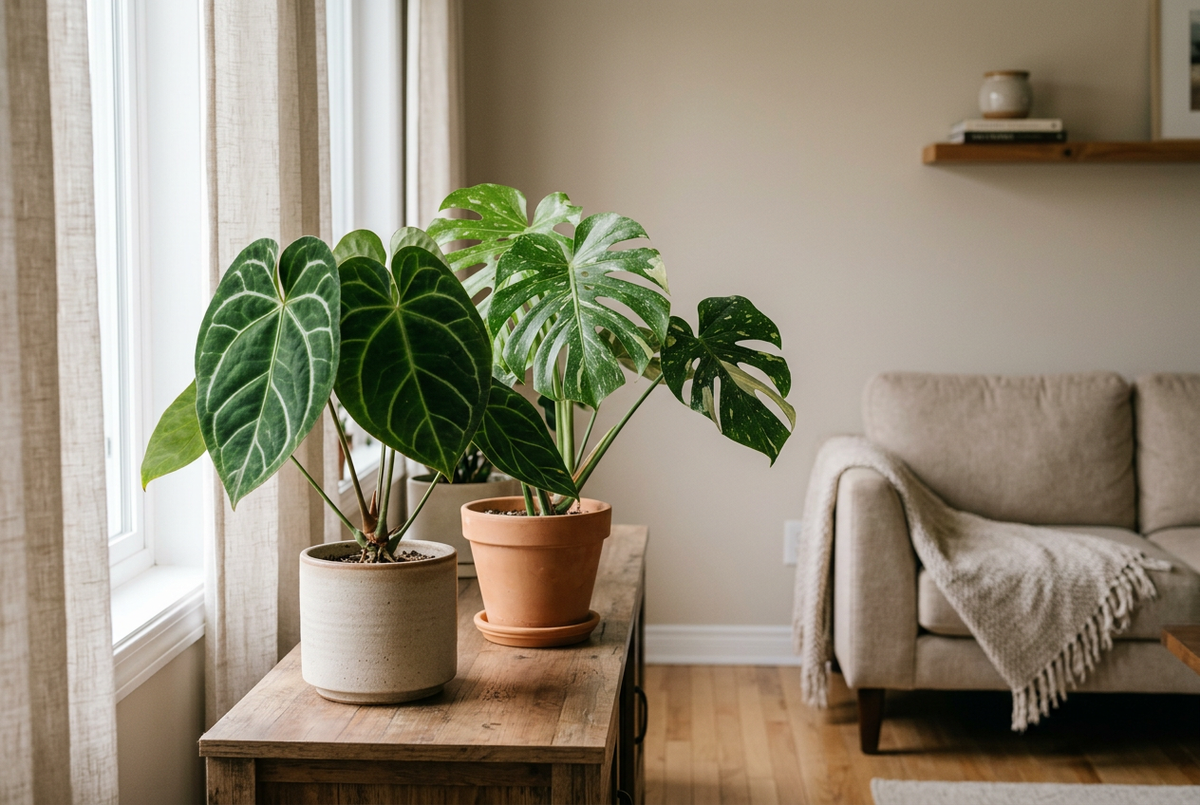
At Aroid Market, we appreciate the incredible diversity of rare tropical houseplants, from velvet Anthuriums and dramatic Philodendrons to collectible Hoyas, Monsteras, and silver-patterned Scindapsus.
Healthy roots, appropriate growing conditions, and careful acclimation are important parts of enjoying these plants over the long term.
Based in Indonesia, Aroid Market offers rare and collectible tropical plants for international collectors, plant enthusiasts, and resellers.
For customers in the United States, our USA forwarding system helps simplify international purchasing. For eligible orders, our team coordinates import arrangements so customers don't need to organize their own import permits or customs brokerage.
Whether you're expanding an established collection or exploring your first rare tropical plant, understanding root health can help you make more informed choices.
Explore rare tropical plants at AroidMarket.com and discover something special for your collection.
Frequently Asked Questions About Root Rot
What are the first signs of root rot?
Possible early signs include yellowing leaves, wilting despite moist growing medium, slowed growth, and roots that become soft or discolored. Inspecting the roots is important because these symptoms can have other causes.
Can root rot happen even if the soil looks dry?
Yes. The surface may appear dry while deeper portions remain excessively wet, or roots may have been damaged by previous waterlogging. Check moisture below the surface and inspect roots when symptoms persist.
How do I know if my plant has root rot or needs water?
Examine the growing medium and root condition. A dry root zone with healthy roots suggests underwatering, while soft, deteriorating roots suggest rot or serious root damage.
Can root rot spread to other plants?
Some root rot pathogens can spread through contaminated growing media, shared water, tools, or containers. Isolating affected plants and practicing good sanitation can reduce the risk.
Should I cut off all brown roots?
No. Some healthy roots are naturally brown. Remove only roots that are clearly decayed, soft, hollow, or otherwise nonfunctional.
Can a plant survive with very few roots?
Sometimes. Plants with healthy stems or growth points may regenerate roots under appropriate conditions, but recovery is not guaranteed.
Does repotting fix root rot?
Repotting into a suitable fresh medium can help when diseased or waterlogged media are contributing to the problem. However, repotting alone won't restore dead roots or necessarily eliminate an advanced infection.
Can I save my plant without removing it from the pot?
If the plant is mildly stressed but roots appear functional, correcting the watering environment may help. If decline continues and root rot is suspected, root inspection is usually necessary.
How long does it take to recover from root rot?
Recovery varies considerably. Some plants stabilize relatively quickly, while others need weeks or months to regenerate roots and resume growth.
Is root rot always caused by overwatering?
No. Excessively wet conditions are an important risk factor, but root rot can also involve specific disease-causing organisms. Poor drainage, unsuitable media, and contaminated materials can contribute to the problem.
Final Thoughts: Catch Root Problems Early
Root rot can be frightening, especially when it affects a favorite rare houseplant.
But understanding the warning signs gives you a better chance of protecting your collection.
Yellow leaves, drooping foliage, and slow growth are reasons to investigate—not proof that a plant needs more water.
Check the growing medium, examine the roots when necessary, and address the actual cause.
If root decay is discovered early, removing damaged tissue, improving drainage, and providing suitable recovery conditions may help save the plant.
Most importantly, remember that healthy roots are the foundation of beautiful foliage.
Whether you're growing Anthurium, Philodendron, Hoya, Monstera, or Scindapsus, learning to recognize root problems is one of the most valuable skills you can develop as a plant collector.
Discover rare tropical plants from Indonesia at AroidMarket.com and continue building a healthy, beautiful plant collection.

Written by Aroid Market

Leave a comment
This site is protected by hCaptcha and the hCaptcha Privacy Policy and Terms of Service apply.