
What Is an Aroid? A Beginner’s Guide to One of the Most Popular Plant Families
If you have spent time in the rare plant community, you have probably heard the word “aroid” many times. Plant collectors often talk about rare aroids, variegated aroids, tropical aroids, and imported aroids—but what does the word actually mean?
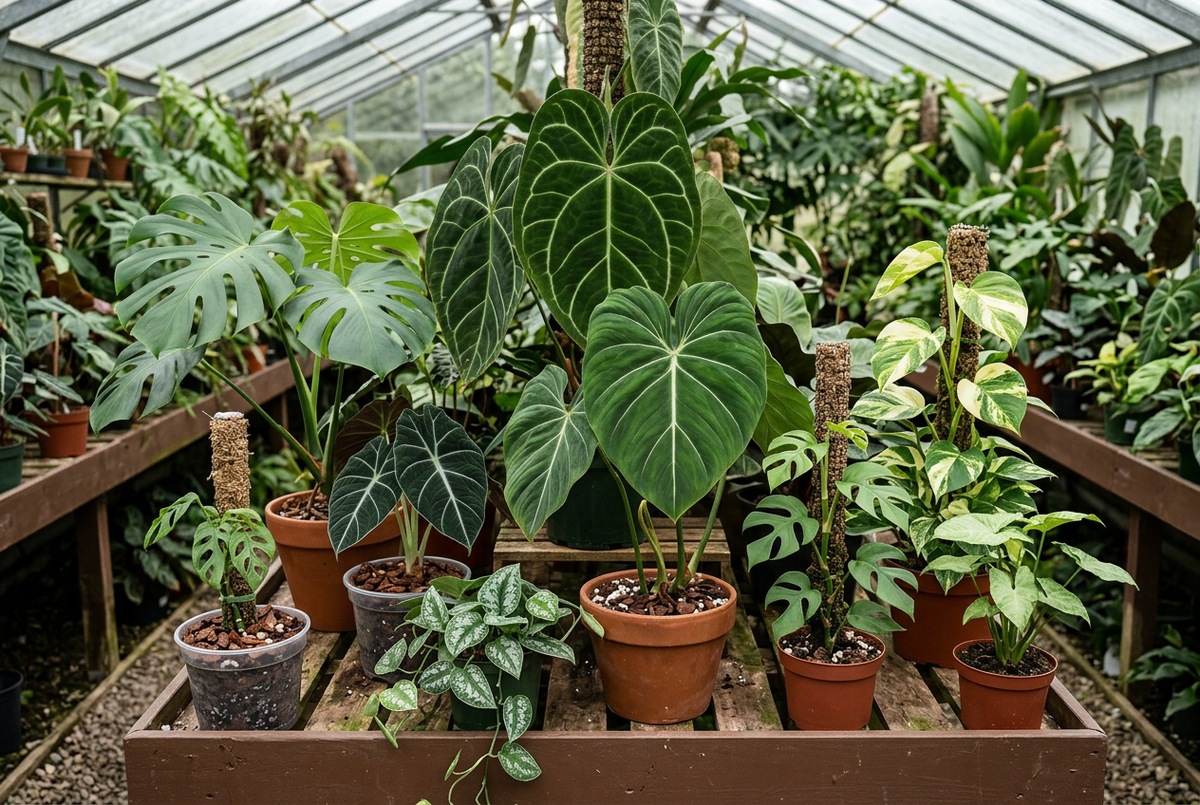
In simple terms, an aroid is a plant that belongs to the Araceae family. This plant family includes some of the most popular houseplants and collector plants in the world, including Philodendron, Anthurium, Monstera, Alocasia, Scindapsus, Epipremnum, Rhaphidophora, and Syngonium.
Aroids are loved for their bold foliage, unique leaf shapes, tropical appearance, and incredible diversity. From large statement plants to rare climbing species, aroids have become a favorite among houseplant lovers, collectors, and plant resellers around the world.
What Does “Aroid” Mean?
The word aroid is commonly used to describe plants in the Araceae family. These plants are often tropical or subtropical and are known for their ornamental leaves, interesting growth habits, and unique flower structure.
Many aroids naturally grow in tropical forests, where they may climb trees, crawl along the forest floor, or grow as understory plants. This is one reason why many aroids adapt well to indoor growing conditions when given proper light, humidity, and care.
For plant collectors, the word “aroid” is often used to describe rare tropical foliage plants with beautiful leaves, unusual textures, or unique variegation.
Popular Aroid Plants
Many of the most famous houseplants are actually aroids. Some common and collectible aroid genera include:
Philodendron
Philodendrons are among the most popular aroids because of their wide variety of leaf shapes, colors, and growth habits. Some are climbing plants, while others grow in a more self-heading form. Popular examples include Philodendron gloriosum, Philodendron melanochrysum, Philodendron billietiae, and variegated Philodendron varieties.
Anthurium
Anthuriums are highly loved by collectors, especially velvet-leaf types and rare hybrids. Many collector Anthuriums have heart-shaped leaves, prominent veins, and a luxurious appearance. Popular types include Anthurium crystallinum, Anthurium clarinervium, Anthurium warocqueanum, and many rare Indonesian and hybrid selections.
Monstera
Monstera plants are known for their dramatic split leaves and fenestrations. Monstera deliciosa is one of the most iconic houseplants, while varieties like Monstera albo, Monstera Thai Constellation, and Monstera adansonii are especially popular among collectors.
Alocasia
Alocasia plants are admired for their bold, sculptural leaves. Many Alocasia have striking veins, metallic tones, or unusual leaf shapes. They are often grown as statement plants because of their dramatic appearance.
Scindapsus
Scindapsus plants are popular for their silver markings, trailing growth, and easy-care nature. They are excellent for collectors who love foliage with shimmer, texture, and subtle patterns.
Epipremnum
Epipremnum includes many familiar and easy-growing plants, such as pothos. Some rare Epipremnum varieties are highly desirable because of their variegation, leaf size, and climbing potential.
Rhaphidophora
Rhaphidophora includes many tropical climbing plants with interesting leaf shapes. Some species are loved for their shingling growth habit, while others are collected for split leaves or rare foliage forms.
Syngonium
Syngonium plants are loved for their arrow-shaped leaves, fast growth, and many variegated forms. They are popular among both beginner plant lovers and collectors.
Why Are Aroids So Popular?
Aroids have become extremely popular because they offer something for every type of plant lover. Whether you are a beginner, a serious collector, or a reseller, there is always an aroid that fits your taste.
Here are some reasons why collectors love aroids:
1. Beautiful Leaf Shapes
Aroids are famous for their leaf diversity. Some have heart-shaped leaves, some have long narrow leaves, some have split leaves, and others develop large dramatic foliage as they mature.
This variety makes aroids highly collectible because each species or cultivar can look completely different.
2. Unique Leaf Texture
Many aroids have special leaf textures. Some are velvety, glossy, leathery, ribbed, or quilted. These textures make the plants look more premium and visually interesting.
Velvet Anthuriums and Philodendrons, for example, are especially loved because their leaves look elegant and luxurious.
3. Variegation and Rare Patterns
Variegated aroids are some of the most desirable plants in the rare plant market. White, cream, yellow, mint, or sectoral variegation can make each leaf look unique.
Because no two variegated plants are exactly the same, collectors often value them as living art.
4. Tropical Collector Appeal
Aroids bring a tropical feeling into indoor spaces. Their large leaves and jungle-like appearance make them perfect for plant rooms, greenhouses, homes, offices, and display collections.
5. Great for Collectors and Resellers
Because many aroids are always in demand, they are also popular among plant resellers and small plant businesses. Rare aroids can be attractive inventory for online shops, local plant sales, Palmstreet sellers, and collector communities.
Are Aroids Good Houseplants?
Yes, many aroids can be excellent houseplants when their basic needs are met. Because many of them come from tropical environments, they usually prefer bright indirect light, good humidity, well-draining soil, and proper watering.
However, not all aroids are equally easy. Some are beginner-friendly, while others are better for experienced growers.
Easy aroids may include pothos, Syngonium, Monstera deliciosa, and some Philodendron varieties. More advanced collector plants may include velvet Anthuriums, rare Alocasia, or sensitive imported plants that require acclimation.
Basic Aroid Care Guide
Although each plant has its own needs, many aroids enjoy similar growing conditions.
Light
Most aroids prefer bright indirect light. Avoid harsh direct sunlight, especially during the hottest part of the day, because it can burn the leaves.
Too little light can cause slow growth, smaller leaves, and weaker variegation in some plants.
Water
Aroids usually prefer to dry slightly between waterings. The best approach is to check the soil before watering. If the top layer feels dry, it may be time to water.
Avoid keeping the soil constantly wet, because this can lead to root problems.
Humidity
Many tropical aroids appreciate moderate to high humidity. While some can adapt to normal home conditions, rare collector plants often grow better with higher humidity.
Temperature
Aroids usually prefer warm, stable temperatures. Avoid cold drafts, sudden temperature changes, or placing them near air conditioners and heaters.
Soil
Aroids generally grow best in a chunky, well-draining mix. A good aroid mix may include materials such as bark, perlite, coco chips, pumice, charcoal, or other airy components that allow oxygen to reach the roots.
What Makes Rare Aroids Different?
Rare aroids are often harder to find, slower to produce, or more unique in appearance. Some may come from specific regions, have unusual leaf forms, or display rare variegation.
Examples of qualities that can make an aroid rare include:
-
Unique variegation
-
Limited availability
-
Slow growth
-
Unusual leaf shape
-
Collector demand
-
Special locality or origin
-
Difficult propagation
-
Rare species or hybrid status
This is why rare aroids are often highly valued by collectors and resellers.
Imported Aroids: Why Collectors Love Them
Many collectors in the United States and other countries look for imported aroids because imports can give access to plants that may not be easily available locally.
Imported aroids can offer:
-
More variety
-
Rare species and hybrids
-
Unique Indonesian selections
-
Wholesale opportunities
-
Fresh collector inventory
-
Access to plants before they become widely available
Indonesia is one of the most exciting sources for tropical aroids because of its climate, biodiversity, and experienced growers. Many rare plants grow beautifully in Indonesia, making it a strong source for collectors and plant businesses around the world.
Buying Aroids From Aroid Market
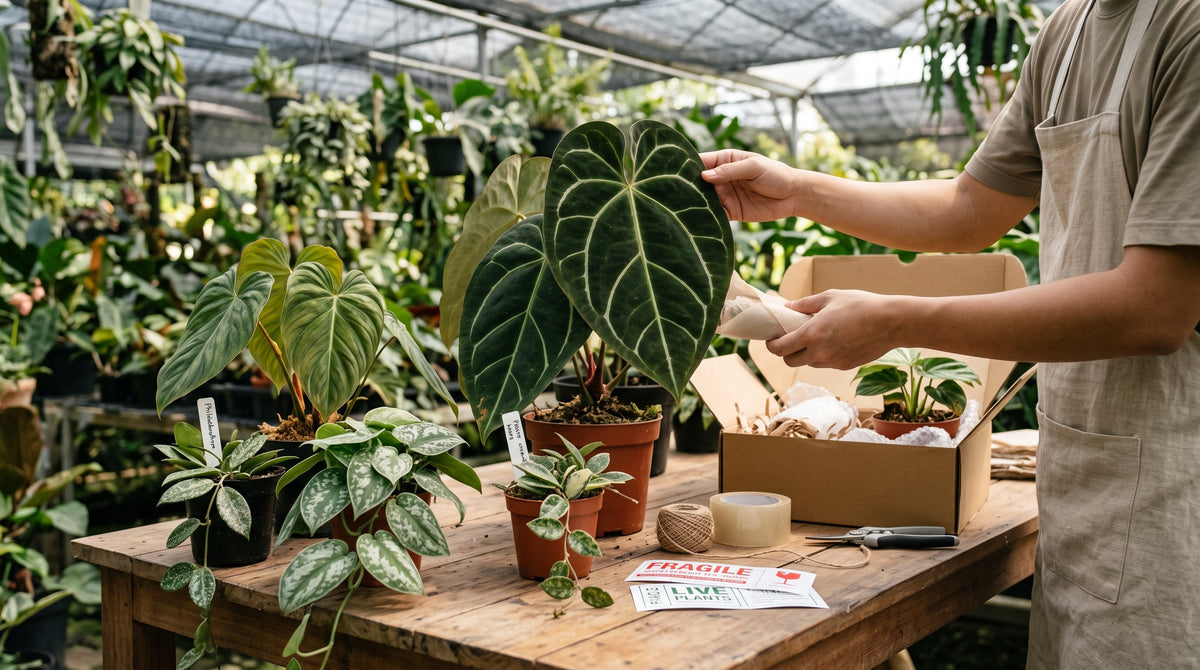
At Aroid Market, we focus on rare and collectible tropical plants for international customers, especially buyers in the United States. Our selection may include rare aroids, Hoya, Anthurium, Philodendron, Scindapsus, Syngonium, and other tropical collector plants.
For USA customers, Aroid Market also helps make the buying process easier through our USA forwarding system. This means customers can access rare imported plants without needing to handle the complicated import process by themselves.
If you are new to rare aroids, Aroid Market is a great place to start exploring. Whether you are a collector, reseller, or plant shop owner, you can discover unique plants sourced from Indonesia and prepared for international buyers.
Final Thoughts: Aroids Are More Than Just Houseplants
Aroids are one of the most exciting plant groups in the world of houseplants and rare plant collecting. They are beautiful, diverse, tropical, and highly collectible.
From beginner-friendly pothos to rare velvet Anthuriums and variegated Philodendrons, aroids offer endless possibilities for plant lovers.
If you are ready to explore rare aroids from Indonesia, visit AroidMarket.com and discover our latest selection of collector plants for USA buyers, resellers, and rare plant enthusiasts.

Written by Aroid Market


Leave a comment
This site is protected by hCaptcha and the hCaptcha Privacy Policy and Terms of Service apply.