

Beginner Guide to Rare Houseplants
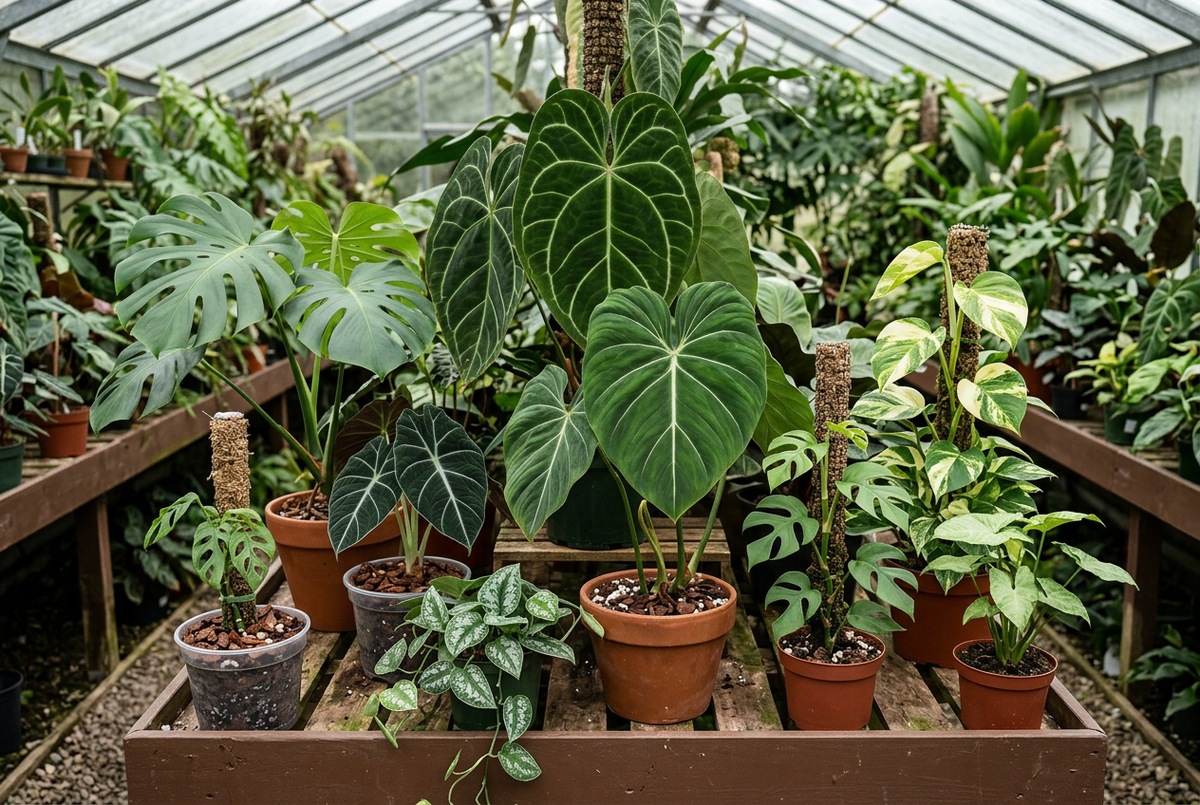
Rare houseplants are more than just beautiful decorations. For many plant lovers, they are living houseplants are more than just beautiful decorations. For many plant lovers, they are living collections—each leaf, pattern, texture, and growth habit tells a story.
If you are new to the world of rare houseplants, it can feel both exciting and overwhelming. You may see collectors talking about Anthurium, Philodendron, Hoya, Monstera, Scindapsus, Alocasia, and other tropical plants, but you may not know where to start.
The good news is that you do not need to begin with the most expensive or difficult plant. A smart rare plant collection starts with choosing plants that match your environment, experience level, and care routine.
This beginner guide will help you understand what rare houseplants are, why collectors love them, which types are good for beginners, and how to start your collection with confidence.
What Are Rare Houseplants?
Rare houseplants are indoor plants that are harder to find than common houseplants. They may be rare because they grow slowly, have limited availability, come from specific regions, show unusual variegation, or are highly desired by collectors.
A plant does not have to be extremely expensive to be considered rare. Sometimes, a plant is rare simply because it is not commonly available in local nurseries or big-box stores.
Rare houseplants are often loved for features such as:
- Unique leaf shapes
- Unusual colors
- Variegated patterns
- Velvet leaf texture
- Silver markings
- Dramatic veins
- Climbing or trailing growth
- Limited availability
- Collector demand
For many people, rare houseplants are not just plants—they are collectible living art.
Why Are Rare Houseplants So Popular?
Rare houseplants have become popular because they offer something special and personal. Unlike ordinary decor, plants grow and change over time. Every new leaf can feel exciting, especially when the plant has unique patterns or variegation.
Collectors love rare houseplants because they bring a tropical, natural, and premium feeling into the home. They can transform a simple room into a personal indoor jungle.
For resellers and plant shops, rare houseplants can also be valuable inventory. Many collectors are always looking for uncommon plants, fresh imports, and unique varieties that are not easy to find locally.
Best Types of Rare Houseplants for Beginners
If you are just starting, it is better to choose rare plants that are beautiful but still manageable. Here are some popular groups to consider.
1. Scindapsus
Scindapsus is a great starting point for beginners who love silver-patterned foliage. Many Scindapsus varieties have heart-shaped leaves with silver, satin, or speckled patterns.
They are popular because they are attractive, relatively easy to grow, and suitable for shelves, hanging baskets, or climbing setups.
Beginner-friendly features:
- Beautiful silver markings
- Tolerates normal indoor conditions better than many sensitive plants
- Can trail or climb
- Great for small spaces
- Good choice for collectors who like patterned leaves
2. Philodendron
Philodendrons are one of the most popular groups of rare houseplants. They come in many shapes, sizes, and growth styles. Some are climbers, some crawl, and some grow upright.
For beginners, Philodendrons are a great way to enter the rare plant world because many types are adaptable and rewarding to grow.
Popular collector traits include:
- Large dramatic leaves
- Velvet texture
- Unusual colors
- Fast growth in good conditions
- Great climbing potential
Philodendrons are especially good for plant lovers who want bold tropical foliage.
3. Anthurium
Anthuriums are loved by collectors for their elegant leaves, strong veins, and luxury appearance. Many rare Anthuriums have velvet-like foliage and heart-shaped leaves that look dramatic and refined.
Some Anthuriums are more advanced, but beginners can still start with easier types before moving into more sensitive collector plants.
Why collectors love Anthurium:
- Velvet leaves
- Beautiful vein patterns
- Premium collector look
- Excellent display plants
- Many rare hybrids and forms
If you love plants that look elegant and high-end, Anthurium is a great group to explore.
4. Monstera
Monstera is one of the most recognizable houseplants in the world. It is famous for its split leaves and tropical appearance.
While common Monstera deliciosa is easy to find, rare forms and variegated types are highly desirable among collectors. For beginners, Monstera is a good entry point because it is generally strong, fast-growing, and visually rewarding.
Why Monstera is popular:
- Iconic split leaves
- Tropical look
- Easy to display indoors
- Can grow large and impressive
- Popular among both beginners and collectors
5. Hoya
Hoya is not an aroid, but it is one of the most popular rare houseplant groups among collectors. Hoyas are loved for their thick leaves, trailing vines, beautiful patterns, and unique flowers.
Many Hoyas are excellent for beginners because they do not need constant watering. They are great for people who prefer plants that can dry out a little between waterings.
Why beginners may enjoy Hoya:
- Many beautiful leaf shapes
- Some varieties have splash, silver, or variegation
- Can flower when mature and happy
- Good for hanging baskets and shelves
- Often easier to manage than very sensitive tropical plants
Hoyas are especially popular among collectors who enjoy variety and long-term collecting.
6. Syngonium
Syngonium is another excellent choice for beginners. Many Syngonium varieties have arrow-shaped leaves and attractive colors, including green, pink, white, cream, and variegated forms.
They are usually fast-growing and easy to care for, making them a fun choice for new collectors.
Why Syngonium is beginner-friendly:
- Fast growth
- Many color options
- Easy to propagate
- Good for small spaces
- Attractive leaf shape
How to Choose Your First Rare Houseplant
When choosing your first rare houseplant, do not choose based only on price or popularity. The best plant for you is the one that fits your growing environment.
Before buying, ask yourself these questions:
1. How Much Light Do You Have?
Most rare tropical houseplants prefer bright indirect light. A room with a bright window is usually better than a dark corner.
If your space is low-light, consider adding a grow light before buying more expensive plants.
2. How Often Do You Water?
If you tend to overwater, choose plants that like consistent moisture but still need good drainage. If you often forget to water, Hoya or thicker-leaf plants may be better choices.
3. Is Your Home Humid or Dry?
Many tropical rare plants prefer higher humidity. If your home is dry, you may need a humidifier, greenhouse cabinet, or plant shelf setup.
4. Do You Have Pets?
Many popular rare houseplants can be toxic to pets if chewed. If you have cats or dogs, place plants safely out of reach and always research plant safety before buying.
5. Are You Buying for Collection or Resale?
If you are buying for yourself, choose plants you truly love. If you are buying for resale, consider demand, durability, availability, and how well the plants recover after shipping.
Basic Rare Houseplant Care Guide
Most rare tropical houseplants do well when their basic needs are met. You do not need to overcomplicate care, but you do need to be consistent.
Light
Bright indirect light is ideal for many rare houseplants. Avoid harsh direct sun, especially during hot afternoon hours, because it can burn leaves.
Too little light may cause weak growth, small leaves, and poor variegation.
Water
Always check the growing medium before watering. Many beginners water on a fixed schedule, but it is better to water based on the plant’s actual needs.
A good rule is to water when the top layer of the mix begins to dry, depending on the plant type.
Humidity
Many rare tropical plants enjoy moderate to high humidity. Higher humidity can help new leaves open properly and reduce stress, especially for imported plants.
However, humidity should be balanced with airflow. High humidity without airflow can cause fungal problems.
Soil Mix
Rare tropical houseplants often prefer a chunky, well-draining mix. A good mix may include bark, perlite, coco chips, pumice, charcoal, or other airy materials.
The goal is to keep the roots moist but not suffocated.
Airflow
Good airflow helps reduce mold, fungal issues, and stagnant moisture. This is especially important if you grow plants in cabinets, greenhouses, or high-humidity rooms.
Acclimation
If your plant was recently shipped or imported, give it time to adjust. Avoid repotting immediately unless necessary. Place it in stable light, monitor the roots and leaves, and avoid overwatering while it recovers.
Common Beginner Mistakes
Starting a rare houseplant collection is exciting, but there are a few mistakes beginners should avoid.
Buying Only Based on Trends
A plant may be popular online, but that does not always mean it is right for your home. Choose plants based on your care ability and environment.
Overwatering
Overwatering is one of the most common causes of plant decline. Rare plants often need oxygen around their roots, so soggy soil can be dangerous.
Repotting Too Soon
Newly arrived plants need time to adjust. Repotting too quickly can add extra stress.
Ignoring Light
A beautiful plant still needs enough light to grow. If your plant is not growing well, light is one of the first things to check.
Starting Too Expensive
Your first rare plant does not need to be the most expensive plant on your wishlist. Start with something special but manageable, then build your confidence.
Buying Imported Rare Houseplants
Imported rare houseplants can be exciting because they give collectors access to unique plants that may not be widely available locally.
For buyers in the USA, importing plants can sometimes feel complicated because of permits, documentation, customs, and shipping concerns. This is one reason many beginners hesitate before buying rare imported plants.
At Aroid Market, we make the process easier for USA customers through our USA forwarding system. Customers can access rare tropical plants from Indonesia without needing to personally handle the complicated import process.
This makes Aroid Market a practical choice for:
- First-time rare plant buyers
- Collectors looking for unique plants
- Plant resellers
- Small plant shops
- Palmstreet sellers
- Wholesale buyers
- Anyone who wants rare tropical plants without import stress
Why Buy Rare Houseplants From Aroid Market?
Aroid Market focuses on rare and collectible tropical plants for international customers. Our selection may include rare Aroids, Hoya, Anthurium, Philodendron, Scindapsus, Syngonium, and other collector plants.
For USA customers, Aroid Market offers a smoother buying experience by helping simplify the import and forwarding process.
Instead of worrying about complicated import steps, customers can focus on choosing beautiful plants for their collection or business.
Final Thoughts
Starting a rare houseplant collection does not have to be intimidating. The best way to begin is to choose plants that are beautiful, manageable, and suitable for your growing space.
Start with beginner-friendly rare plants, learn their care needs, and build your confidence over time.
Whether you love velvet Anthuriums, bold Philodendrons, silver Scindapsus, iconic Monsteras, or collectible Hoyas, rare houseplants can bring beauty, excitement, and tropical character into your home.
If you are ready to start your rare plant journey, visit AroidMarket.com and explore our latest selection of rare tropical houseplants for collectors, resellers, and plant lovers in the USA.

Written by Aroid Market


Leave a comment
This site is protected by hCaptcha and the hCaptcha Privacy Policy and Terms of Service apply.