
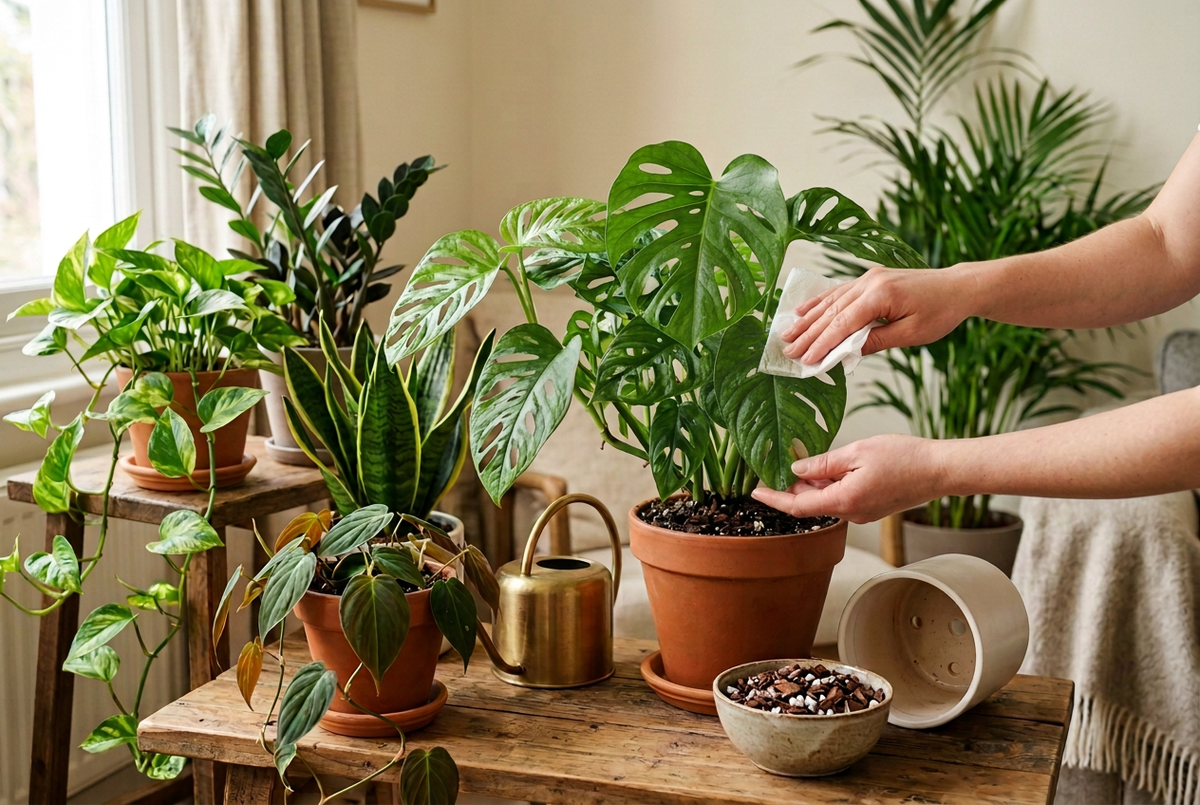
How to Keep Indoor Plants Alive: A Beginner's Guide
Keeping indoor plants alive does not have to be complicated. If you are new to houseplants, it is normal to feel unsure about watering, light, soil, humidity, yellow leaves, or why your plant is not growing.
The truth is, most indoor plants do not need perfect care. They need the right balance of light, water, drainage, airflow, and patience.
Many beginners accidentally kill their plants because they care too much in the wrong way—especially by overwatering, placing plants in dark corners, or repotting too soon.
This beginner’s guide will help you understand how to keep indoor plants alive, avoid common mistakes, and build confidence as a new plant owner.
Start With an Easy Plant
The easiest way to keep your first indoor plant alive is to choose the right plant from the beginning.
Some houseplants are more forgiving than others. They can handle small mistakes, such as missed watering, average indoor humidity, or less-than-perfect light.
Good beginner-friendly plants include:
-
Pothos
-
Snake Plant
-
ZZ Plant
-
Monstera
-
Philodendron
-
Scindapsus
-
Hoya
-
Syngonium
-
Peace Lily
These plants are good starting points because they help beginners learn the basics of indoor plant care without becoming too overwhelming.
Once you understand how to care for easy houseplants, you can slowly explore rare tropical plants, aroids, Hoyas, Anthuriums, Philodendrons, and other collector plants.
1. Give Your Plant the Right Light
Light is one of the most important parts of keeping indoor plants alive. Plants need light to grow, produce energy, and stay healthy.
Most indoor plants prefer bright indirect light. This means the room is bright, but the plant is not sitting under harsh direct sunlight for many hours.
What Is Bright Indirect Light?
Bright indirect light is the soft, bright light that comes from a window without strong direct sun burning the leaves.
This type of light is ideal for many tropical houseplants, including Monstera, Philodendron, Hoya, Scindapsus, Syngonium, Anthurium, and many rare indoor plants.
What If Your Room Is Low Light?
Low light does not mean no light. All plants need some light to survive.
If your room is quite dark, choose more tolerant plants such as Snake Plant, ZZ Plant, or Pothos. These plants can adapt better than many sensitive tropical plants.
If you want to grow rare tropical plants in a darker room, consider using a grow light.
Signs Your Plant Needs More Light
Your plant may need more light if you notice:
-
Slow growth
-
Small new leaves
-
Long spaces between leaves
-
Pale leaves
-
Fading variegation
-
Stems leaning toward the window
-
Weak or stretched growth
If this happens, move the plant closer to a brighter window or provide a grow light.
2. Stop Overwatering
Overwatering is one of the most common reasons indoor plants die.
Many beginners think plants need water every day, but most houseplants do not want to stay wet all the time. Roots need moisture, but they also need oxygen. If the soil stays too wet for too long, the roots can rot.
Do Not Water Only on a Schedule
A fixed watering schedule can be risky. Your plant’s water needs can change depending on light, temperature, humidity, pot size, soil mix, and season.
Instead of watering every few days automatically, check the growing medium first.
How to Check Before Watering
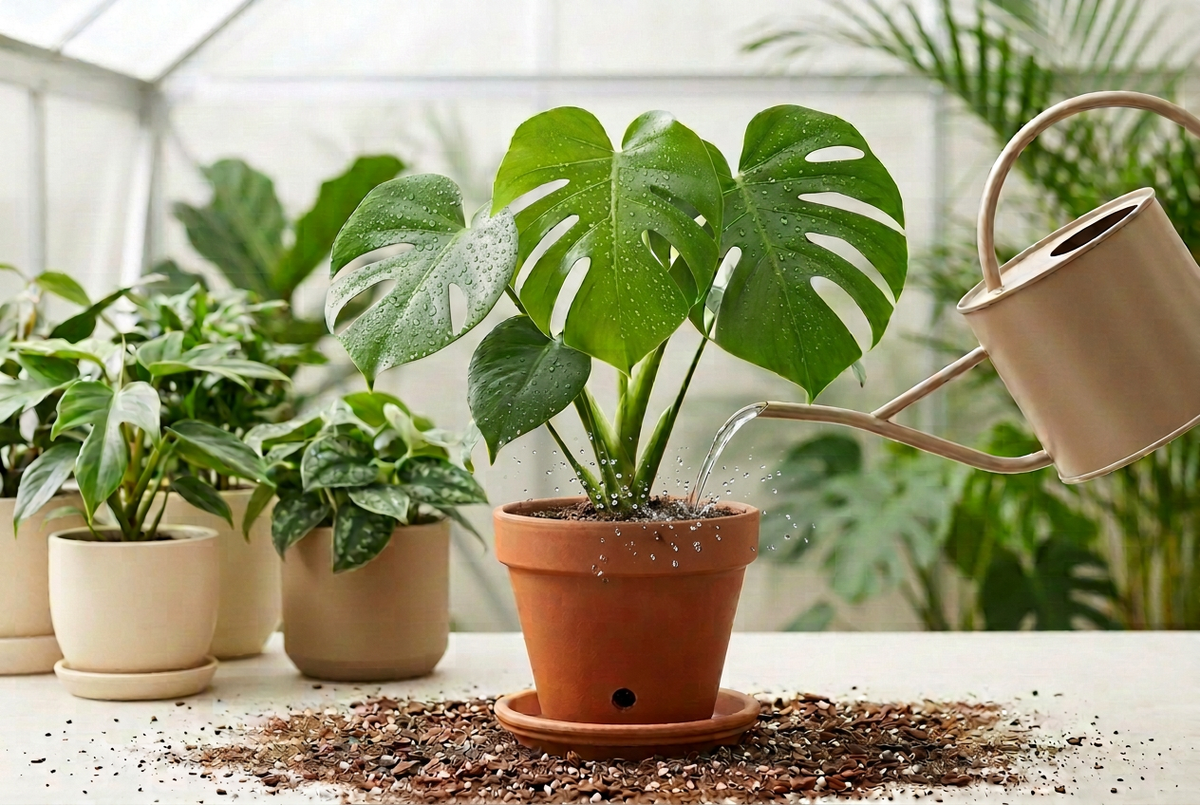
Touch the top layer of the soil or growing mix.
If it still feels wet, wait.
If the top layer feels dry, the plant may be ready for water.
For many indoor plants, it is better to let the top part of the mix dry slightly before watering again.
Signs of Overwatering
Your plant may be overwatered if you see:
-
Yellow leaves
-
Soft or mushy stems
-
Wet soil that does not dry
-
Bad smell from the pot
-
Leaves dropping while the soil is still wet
-
Black or mushy roots
If you suspect overwatering, stop watering for a while, check the roots if needed, and make sure the pot has drainage.
Signs of Underwatering
Your plant may need water if you see:
-
Dry soil
-
Wilting leaves
-
Crispy leaf edges
-
Curling leaves
-
A very lightweight pot
-
Leaves looking dull or limp
Underwatering is usually easier to fix than overwatering, but repeated dryness can still stress the plant.
3. Use a Pot With Drainage
A good pot can make plant care much easier.
The most important thing is drainage. A pot with drainage holes allows extra water to escape. This helps prevent the roots from sitting in water for too long.
If you use a decorative pot without drainage holes, keep the plant in a nursery pot inside the decorative pot. After watering, let the extra water drain before placing it back.
Do Not Choose a Pot That Is Too Big
A pot that is much larger than the root system can hold too much moisture. This can increase the risk of root problems.
When repotting, choose a pot that is only slightly larger than the current root ball.
4. Use the Right Soil Mix
Soil is not just something that holds the plant in place. A good growing mix helps roots breathe, drain properly, and stay healthy.
Many tropical indoor plants prefer a chunky, well-draining mix.
For plants like Monstera, Philodendron, Anthurium, Scindapsus, and other aroids, a good mix may include:
-
Bark
-
Perlite
-
Coco chips
-
Pumice
-
Charcoal
-
Coco peat
-
A small amount of compost or organic matter
The goal is to keep the roots lightly moist but never suffocated.
Dense soil can stay wet for too long, which may lead to root problems.
5. Understand Humidity
Many houseplants can adapt to normal home humidity, but tropical plants often enjoy moderate to high humidity.
Humidity can help new leaves open properly and reduce stress, especially for plants like Anthurium, Alocasia, Philodendron, and other rare tropical plants.
How to Increase Humidity
You can increase humidity by:
-
Grouping plants together
-
Using a humidifier
-
Placing plants in a greenhouse cabinet
-
Keeping tropical plants in a more humid room
-
Using a pebble tray carefully
However, humidity should always be balanced with airflow.
Do Not Forget Airflow
High humidity without airflow can create fungal problems. If your plant area is very humid or crowded, use gentle airflow from a small fan.
Good airflow helps prevent stagnant moisture and keeps the growing environment healthier.
6. Do Not Fertilize Too Much
Fertilizer can help indoor plants grow, but too much fertilizer can damage roots and cause leaf problems.
If you are a beginner, keep fertilizing simple.
Use a balanced fertilizer during active growth and follow the recommended dosage. If you are unsure, use a weaker amount rather than too much.
Avoid fertilizing when the plant is:
-
Newly shipped
-
Recently repotted
-
Stressed
-
Not growing
-
Recovering from root problems
A healthy plant in good light will benefit more from fertilizer than a stressed plant in poor conditions.
7. Clean the Leaves
Dust can collect on indoor plant leaves. This can make the plant look dull and may reduce how much light reaches the leaf surface.
Gently wipe large leaves with a soft damp cloth. For smaller plants, you can rinse them carefully or clean the leaves by hand.
Clean leaves also make it easier to notice pests early.
8. Watch for Pests
Even healthy indoor plants can sometimes get pests. Common houseplant pests include spider mites, mealybugs, scale, aphids, and fungus gnats.
Check your plants regularly, especially under the leaves, around stems, and near new growth.
Signs of Pests
Look for:
-
Sticky leaves
-
Webbing
-
White cotton-like spots
-
Tiny moving insects
-
Yellow speckles
-
Damaged new growth
-
Small flies around the soil
If you notice pests early, they are usually easier to control.
9. Do Not Repot Too Soon
Many beginners repot a plant immediately after buying it. Sometimes this creates unnecessary stress.
New plants need time to adjust to your home. They are adapting to new light, temperature, humidity, and watering conditions.
You may need to repot if:
-
Roots are circling heavily
-
Roots are coming out of the drainage holes
-
The plant dries out too quickly
-
The soil mix is old or compacted
-
The plant has a serious root issue
-
Growth has slowed because the plant is root-bound
If the plant looks healthy and is growing well, you do not need to repot immediately.
10. Give New Plants Time to Adjust
When you bring a new plant home, it may need time to acclimate. Some minor yellowing or leaf stress can happen after shipping or moving.
During the first few weeks:
-
Keep the plant in stable bright indirect light
-
Avoid overwatering
-
Do not fertilize immediately
-
Avoid repotting unless necessary
-
Check for pests
-
Be patient
This is especially important for imported plants and rare tropical plants.
Best Indoor Plants That Are Easier to Keep Alive
If you are new to indoor plants, start with plants that are forgiving and easier to understand.
Pothos
Pothos is one of the easiest indoor plants. It can trail, climb, and adapt to many home conditions.
It is great for shelves, hanging baskets, and beginners who want a forgiving plant.
Snake Plant
Snake Plant has upright leaves and needs very little watering. It is a good option for busy people or anyone who often forgets to water.
ZZ Plant
ZZ Plant has glossy leaves and strong tolerance for indoor conditions. It does not need frequent watering and works well in homes or offices.
Monstera
Monstera is famous for its split leaves and tropical look. It is a good plant for beginners who want something bold and iconic.
Philodendron
Philodendron offers many beginner-friendly options. Some trail, some climb, and some grow upright. It is a great group for people who want to explore tropical foliage.
Scindapsus
Scindapsus is loved for its silver-patterned leaves. It is beautiful, elegant, and manageable for many beginners.
Hoya
Hoya has thick leaves, trailing vines, and beautiful flowers when mature. Many Hoyas prefer to dry slightly between watering, making them good for people who do not want to water too often.
Syngonium
Syngonium grows quickly and has attractive arrow-shaped leaves. It is a fun choice for beginners because it is usually easy to grow and propagate.
Common Indoor Plant Problems
Even with good care, indoor plants may sometimes show problems. The key is to observe calmly and check the basics first.
Yellow Leaves
Yellow leaves can happen for many reasons, including overwatering, underwatering, low light, natural aging, or stress.
Check the soil, light, and recent care changes before deciding what to do.
Brown Crispy Edges
Brown crispy edges may be caused by underwatering, dry air, too much fertilizer, or inconsistent care.
Improving watering consistency and humidity may help.
Drooping Leaves
Drooping can be a sign of underwatering, overwatering, heat stress, or root problems.
Always check the growing medium before watering.
Small New Leaves
Small leaves may mean the plant needs more light, better support, improved nutrition, or more stable growing conditions.
Climbing plants like Monstera, Philodendron, and Epipremnum may produce larger leaves when given proper support.
No New Growth
If your plant is not growing, it may need more light, warmer temperatures, better root health, or more time to adjust.
Some plants naturally grow slowly, especially in lower light or cooler conditions.
Indoor Plant Safety for Pets and Children
If you have pets or small children, plant placement is important.
Many popular houseplants can be irritating or toxic if chewed or eaten. Plants such as Pothos, Philodendron, Monstera, Peace Lily, and some other tropical houseplants should be kept away from curious pets and children.
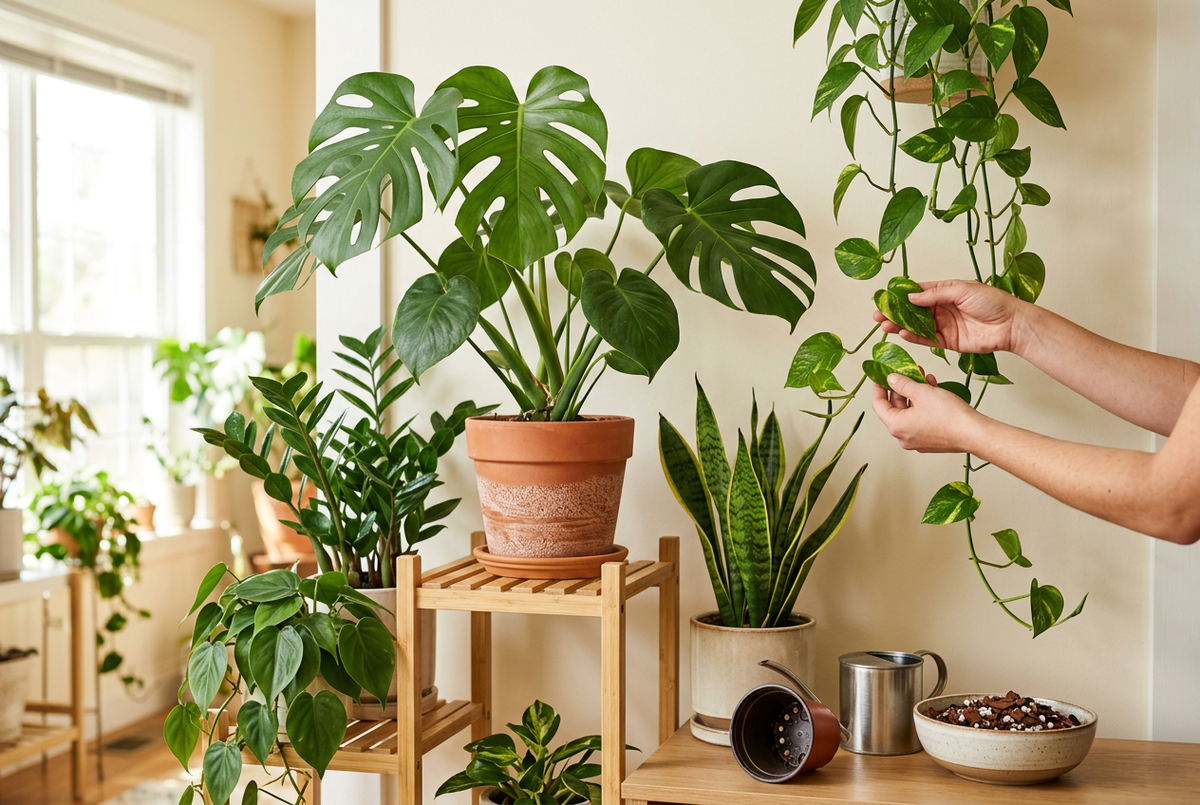
Place plants on high shelves, hanging baskets, plant stands, or in a room where pets cannot reach them.
If you have pets, always research plant safety before buying a new plant.
Common Beginner Mistakes to Avoid
Indoor plant care becomes easier when you avoid these common mistakes.
Overwatering
This is one of the most common mistakes. Always check the soil or mix before watering.
Too Little Light
Plants need light to grow. A dark room may look good for decoration, but it may not be enough for healthy growth.
Repotting Too Soon
New plants need time to adjust. Repotting immediately can add stress.
Buying Too Many Plants at Once
Start small. Learn how to care for a few plants before building a large collection.
Ignoring the Roots
Healthy roots are the foundation of a healthy plant. If a plant is declining and you cannot find the reason, check the roots.
Choosing Difficult Plants Too Early
Some rare plants are beautiful but sensitive. Start with easier plants before buying expensive or high-maintenance collector plants.
Moving From Basic Houseplants to Rare Plants
Once you feel comfortable with basic indoor plant care, you may want to explore rare and collectible houseplants.
Rare tropical plants often offer:
-
Unique leaf shapes
-
Velvet texture
-
Silver markings
-
Variegation
-
Dramatic veins
-
Unusual growth habits
-
Collector appeal
Popular rare plant groups include Anthurium, Philodendron, Hoya, Scindapsus, Monstera, Syngonium, Alocasia, Dischidia, and Labisia.
These plants can bring a more unique and tropical feeling to your indoor collection.
Buying Rare Indoor Plants From Aroid Market
Aroid Market offers rare and collectible tropical plants for international customers, especially plant lovers, collectors, resellers, and wholesale buyers in the USA.
Our selection may include rare Aroids, Hoya, Anthurium, Philodendron, Scindapsus, Syngonium, Monstera, and other tropical collector plants from Indonesia.
For USA customers, Aroid Market helps make the buying experience easier through our USA forwarding system. This allows customers to access rare tropical plants without personally handling the complicated import process.
Whether you are learning how to care for your first indoor plant or ready to explore rare tropical houseplants, Aroid Market can help you discover unique plants for your home, collection, or plant business.
Final Thoughts
Keeping indoor plants alive is not about being perfect. It is about understanding the basics and paying attention to what your plant is telling you.
Start with the right plant, give it enough light, avoid overwatering, use a well-draining mix, and be patient.
Once you feel more confident, you can move from easy indoor plants to rare houseplants and tropical collector plants.
If you are ready to explore rare tropical plants from Indonesia, visit AroidMarket.com and discover our latest selection for plant lovers, collectors, resellers, and USA buyers.

Written by Aroid Market

Leave a comment
This site is protected by hCaptcha and the hCaptcha Privacy Policy and Terms of Service apply.