
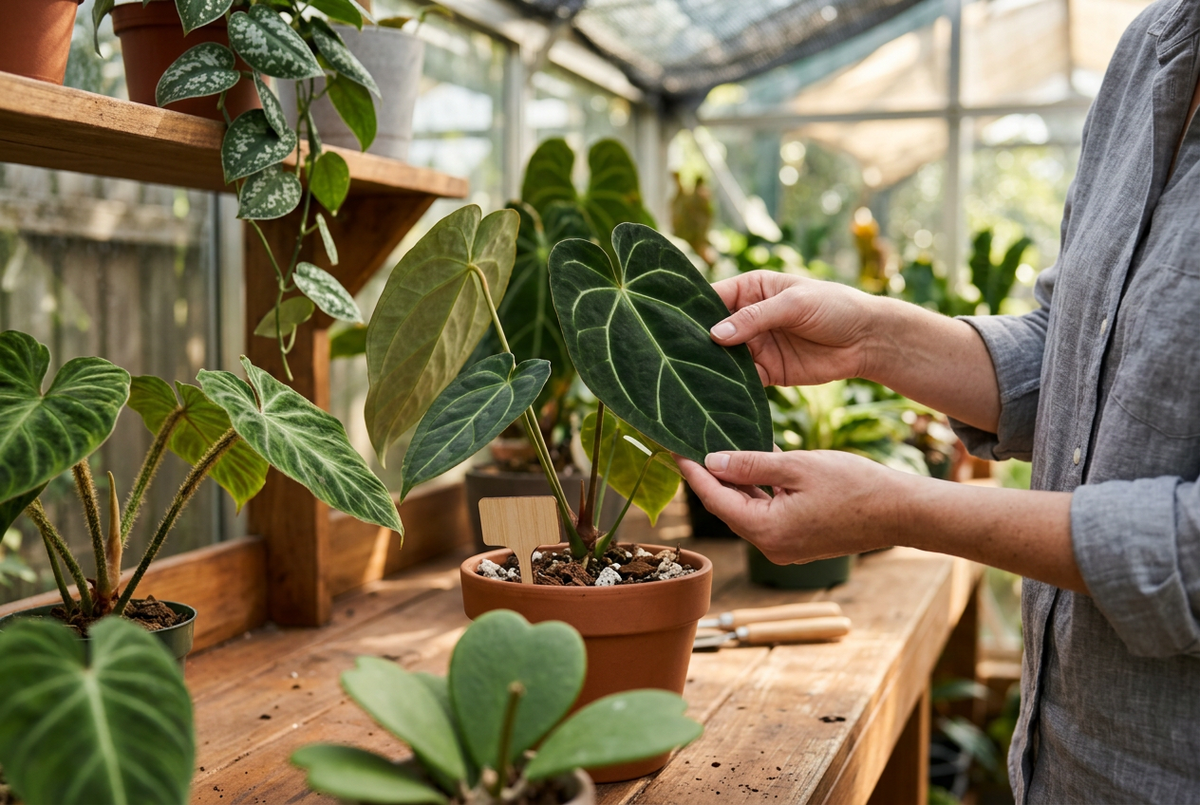
How to Choose Healthy Rare Plants Before Buying
How to Choose Healthy Rare Plants Before Buying
Buying rare plants is exciting, especially when you find a plant you have been searching for. Rare Aroids, Hoya, Anthurium, Philodendron, Monstera, Scindapsus, Syngonium, Alocasia, and variegated tropical plants can bring something truly special to your collection.
But before buying a rare plant, it is important to know how to check whether the plant is healthy.
Rare plants can be more expensive than common houseplants, and some may be sensitive after shipping or import. Choosing a healthy plant from the beginning can help reduce stress, avoid disappointment, and give your plant a better chance to grow well after arrival.
This guide will help you understand how to choose healthy rare plants before buying, what signs to look for, what questions to ask the seller, and how to avoid common buying mistakes.
Why Plant Health Matters Before Buying
A rare plant may look beautiful in a photo, but beauty is not the only thing that matters. A healthy plant should have strong roots, stable growth, clean leaves, a healthy stem, and no major pest or rot issues.
When buying rare plants online, you may not be able to inspect the plant in person. This makes photos, descriptions, seller communication, and plant condition details even more important.
A healthy rare plant is more likely to:
-
Adjust better after shipping
-
Recover faster from stress
-
Grow new leaves more consistently
-
Handle acclimation better
-
Maintain better value
-
Perform better for collectors or resellers
Choosing carefully before buying is one of the best ways to protect your investment.
1. Check the Roots First
Roots are one of the most important signs of plant health. A plant can have beautiful leaves but still have weak or damaged roots.
Healthy roots support water uptake, nutrient absorption, and new growth. If the roots are damaged, the plant may struggle after shipping, even if the foliage looks good at first.
When possible, ask the seller for root photos or root condition details, especially for expensive rare plants.
Healthy roots usually look:
-
Firm
-
Fresh
-
Light-colored or healthy brown, depending on the plant
-
Not mushy
-
Not hollow
-
Not smelly
-
Actively growing or well established
Warning signs may include:
-
Black mushy roots
-
Bad smell
-
Hollow roots
-
Very few roots
-
Rotting base
-
Wet, compacted media
-
Roots that look dried out or dead
For rare plants such as Anthurium, Philodendron, Monstera, Hoya, Scindapsus, and Alocasia, strong roots are especially important.
2. Look at the Stem and Growth Point
The stem and growth point are very important, especially for rare plants, cuttings, and variegated plants.
The growth point is where new growth comes from. If the growth point is damaged, the plant may struggle to produce new leaves.
A healthy stem should look firm and stable. It should not be soft, black, mushy, or collapsed.
Check for:
-
Firm stem
-
Healthy node or growth point
-
No rot around the base
-
No black mushy areas
-
No serious mechanical damage
-
Stable connection between stem and roots
This is especially important when buying cuttings, nodes, or recently imported plants.
3. Inspect the Leaves
Leaves are usually the first thing buyers notice. Healthy leaves can show good plant condition, but leaves should not be the only factor you consider.
A healthy rare plant may have some cosmetic damage, especially if it was recently shipped or imported. Minor leaf marks do not always mean the plant is unhealthy.
Look for:
-
Firm leaves
-
Good color
-
No major yellowing
-
No large spreading black spots
-
No heavy pest damage
-
No severe curling or collapse
-
New growth if available
Be careful if you see:
-
Many yellow leaves
-
Wet black spots
-
Large soft patches
-
Severe leaf collapse
-
Sticky residue
-
Webbing
-
White cotton-like pests
-
Tiny moving insects
-
Damaged new growth
For rare plants, the most important thing is not always perfect leaves. Healthy roots, stem, and growth point matter more than cosmetic leaf damage.
4. Understand Cosmetic Damage vs Serious Damage
Not every mark on a rare plant is a serious problem. Plants are living things, and minor imperfections are normal.
Cosmetic damage may include:
-
Small leaf tears
-
Minor shipping marks
-
Older leaf damage
-
Small brown edges
-
Minor mechanical marks
-
Slight yellowing on old leaves
Serious damage may include:
-
Stem rot
-
Root rot
-
Spreading black spots
-
Pest infestation
-
Collapsed growth point
-
Mushy base
-
Severe dehydration
-
Unstable cutting
Before buying, ask the seller whether any damage is cosmetic or related to health.
5. Check for Pest Signs
Pests can spread quickly in a plant collection, so it is important to check for pest signs before buying.
Common houseplant pests include spider mites, mealybugs, scale, aphids, thrips, and fungus gnats.
Warning signs may include:
-
Webbing under leaves
-
White cotton-like spots
-
Sticky residue
-
Tiny black dots
-
Silver streaks or scar marks
-
Yellow speckling
-
Damaged new leaves
-
Small insects around stems or soil
If you are buying online, zoom in on the photos. Check the underside of leaves, petioles, nodes, and new growth.
A trustworthy seller should be honest if a plant has had pest treatment or if there are any concerns.
6. Check the Variegation Balance
Variegated rare plants are beautiful and highly collectible, but not all variegation is equally easy to grow.
A plant with balanced variegation usually has enough green tissue to support healthy growth. A plant with too much white may look beautiful but can grow more slowly or struggle because it has less chlorophyll.
When buying variegated plants, check:
-
Is the variegation stable?
-
Does the plant have enough green?
-
Are there multiple variegated leaves?
-
Is the stem variegated?
-
Is the new growth promising?
-
Are the white parts browning easily?
-
Is the plant actively growing?
For beginners, balanced variegation is usually safer than an almost fully white plant.
7. Ask Whether the Plant Is Rooted or a Cutting
Not all rare plants sold online are fully established plants. Some may be fresh cuttings, rooted cuttings, node cuttings, wet sticks, tissue culture plants, or recently imported plants.
Each type has a different level of risk.
Common plant types include:
-
Fully rooted plant
-
Rooted cutting
-
Fresh cutting
-
Node cutting
-
Wet stick
-
Tissue culture plant
-
Recently imported plant
-
Fully acclimated plant
If you are a beginner, a fully rooted and established plant is usually safer than a fresh cutting or wet stick.
Cuttings can be exciting and more affordable, but they require more experience and patience.
8. Understand Acclimated vs Recently Imported Plants
Imported rare plants can be amazing, but they may need time to adjust after shipping.
A recently imported plant may experience stress, yellowing, root adjustment, or temporary growth pause. This does not always mean the plant is bad, but buyers should understand what to expect.
An acclimated plant has already spent time adjusting to the local growing environment. It may be more stable but may also cost more.
Before buying, ask:
-
Is the plant freshly imported?
-
Has it been acclimated?
-
How long has it been in the seller’s care?
-
Has it produced new growth after import?
-
Are the roots active?
-
Has it been treated or checked for pests?
For beginners, acclimated plants are often easier to manage.
9. Review the Actual Plant Photos
Actual plant photos are very important when buying rare plants online.
Avoid buying expensive rare plants based only on stock photos or example photos. Rare plants can vary greatly in size, color, shape, variegation, and condition.
Actual plant photos should show:
-
Full plant
-
Leaves
-
Stem
-
Growth point
-
Pot or root area
-
Variegation pattern
-
Any damage
-
Plant size
For high-value rare plants, ask for updated photos before purchasing.
10. Read the Description Carefully
A good plant listing should provide useful details. Do not rely on photos alone.
Read the description and check for:
-
Plant name
-
Size
-
Number of leaves
-
Root condition
-
Pot size
-
Growing medium
-
Acclimation status
-
Shipping method
-
Import information
-
Care notes
-
Refund or DOA policy
If important details are missing, ask the seller before buying.
Clear descriptions are a sign of a more reliable seller.
11. Make Sure the Plant Name Is Correct
Rare plant names can be confusing. Some plants have similar names, trade names, hybrid names, or unofficial labels.
Before buying, research the plant name and compare it with other trusted examples.
This is especially important for:
-
Anthurium hybrids
-
Philodendron varieties
-
Hoya species
-
Variegated Monstera
-
Scindapsus types
-
Alocasia forms
-
Locality plants
If you are unsure, ask the seller for more information. A good seller should be able to explain the plant name clearly.
12. Consider the Plant’s Growth Habit
Before buying, think about how the plant grows. Some rare plants climb, some crawl, some trail, and some grow upright.
Growth habit affects how you care for and display the plant.
Climbing plants may need:
-
Moss pole
-
Support
-
Higher humidity
-
Stronger light
-
Room for vertical growth
Trailing plants may be good for:
-
Shelves
-
Hanging baskets
-
Small spaces
-
Decorative displays
Crawling plants may need:
-
Wider pots
-
Horizontal space
-
Stable media
-
Room for runners
Choose a plant that fits your space and care style.
13. Match the Plant to Your Experience Level
Some rare plants are easier than others. If you are still learning, choose plants that are beautiful but manageable.
Beginner-friendly rare plant groups may include:
-
Scindapsus
-
Hoya
-
Syngonium
-
Some Philodendron
-
Monstera
-
Easier Anthurium types
More advanced plants may include:
-
Sensitive Anthurium
-
Alocasia
-
High-variegation plants
-
Fresh imports
-
Unrooted cuttings
-
Tissue culture plants
-
Very rare hybrids
There is nothing wrong with starting simple. Building confidence first will help you succeed with more expensive plants later.
14. Check If the Plant Is Suitable for Your Home
Before buying, ask yourself whether you can provide the right growing conditions.
Consider:
-
Light
-
Humidity
-
Temperature
-
Airflow
-
Space
-
Watering routine
-
Pet safety
-
Time for care
-
Experience level
A healthy plant can still struggle if your home does not match its needs.
For example, variegated plants usually need bright indirect light. Anthuriums may prefer higher humidity. Hoyas may need good light to flower. Alocasias may need more consistent moisture and stable conditions.
Choose a plant that fits your environment.
15. Check the Seller’s Reputation
A healthy plant also depends on the seller.
A reliable seller should provide clear plant photos, honest descriptions, good communication, proper packing, and realistic expectations.
Before buying, check:
-
Reviews
-
Website
-
Social media
-
Customer feedback
-
Past shipments
-
Shipping policy
-
DOA policy
-
Contact information
-
Plant knowledge
A good seller should not pressure you or avoid your questions.
16. Ask the Right Questions Before Buying
If you are unsure, ask questions before placing an order.
Good questions include:
-
Is this the exact plant I will receive?
-
Is the plant fully rooted?
-
Can I see root photos?
-
Has the plant been imported recently?
-
Has it been acclimated?
-
Does it have any pest history?
-
Are there any cosmetic or health issues?
-
What growing medium is it in?
-
How will it be packed?
-
What is your DOA policy?
-
Do you ship during extreme weather?
-
For USA buyers, how is the import process handled?
Good sellers will appreciate serious buyers who ask thoughtful questions.
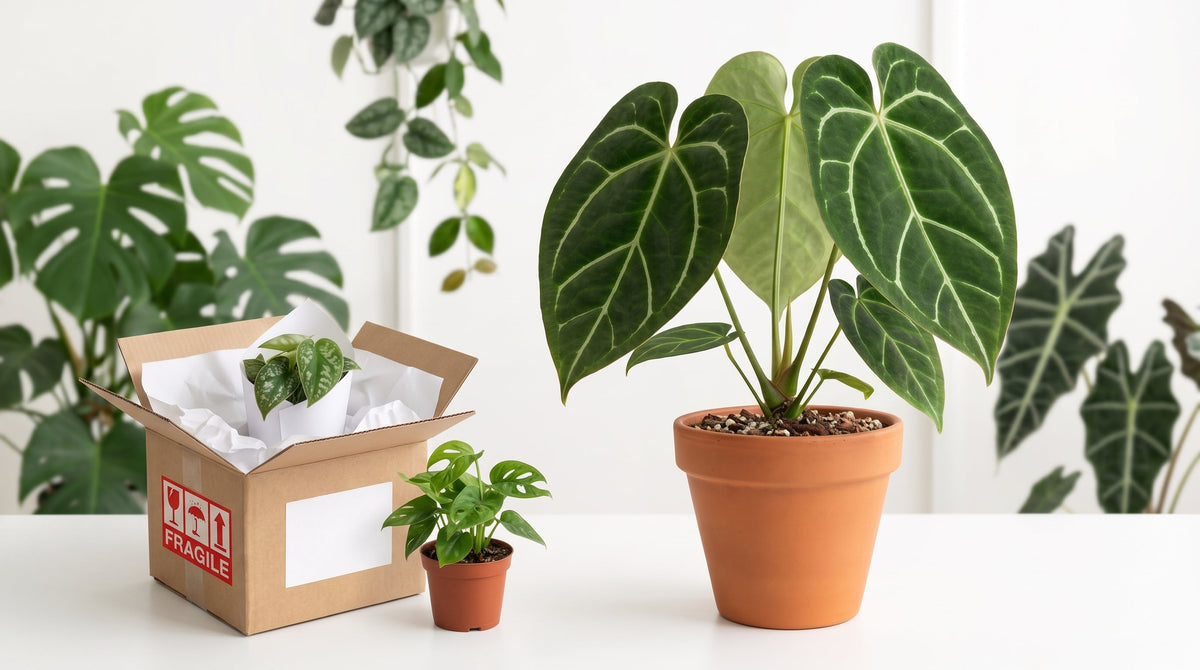
17. Understand Shipping Risk
Even healthy plants can experience stress during shipping. Live plants are sensitive to heat, cold, delays, darkness, and handling.
Before buying, check the shipping method and weather.
Ask about:
-
Shipping carrier
-
Shipping time
-
Packing method
-
Weather protection
-
Tracking
-
Heat pack or insulation if needed
-
Shipping schedule
-
Delay policy
For rare plants, proper packing can make a big difference.
18. Know What Healthy Rare Plants Look Like After Shipping
A plant may not look perfect after shipping, even if it was healthy before shipping.
Normal shipping stress may include:
-
Slight drooping
-
Minor yellowing
-
Small leaf damage
-
Temporary growth pause
-
Some cosmetic marks
-
Slight root adjustment
More serious issues include:
-
Rotting stem
-
Mushy roots
-
Fully collapsed plant
-
Severe dehydration
-
Pest infestation
-
Spreading black spots
When receiving a rare plant, focus on the roots, stem, and growth point.
19. Avoid These Red Flags
Be careful if you notice:
-
No actual plant photos
-
No root information
-
Vague description
-
Seller avoids questions
-
Very cheap price for a rare plant
-
No shipping policy
-
No DOA policy
-
No clear contact information
-
No reviews
-
Poor communication
-
Pressure to pay quickly
-
Risky payment methods
-
Unclear import process
-
Plant name seems suspicious
One red flag may not always mean a bad seller, but several red flags together should make you cautious.
20. Green Flags of a Healthy Rare Plant Listing
A strong rare plant listing usually includes:
-
Actual plant photos
-
Clear plant name
-
Size details
-
Root condition
-
Honest damage notes
-
Acclimation status
-
Shipping information
-
Seller communication
-
Clear policy
-
Realistic care expectations
A good listing helps buyers understand exactly what they are buying.
Choosing Rare Plants for Resale
If you are buying rare plants for resale, plant health becomes even more important.
For resellers, choose plants that are:
-
Visually attractive
-
Healthy and rooted
-
In demand
-
Durable after shipping
-
Easy to explain to customers
-
Reasonably priced
-
Good for acclimation
-
Suitable for your market
Popular resale-friendly groups may include:
-
Hoya
-
Scindapsus
-
Philodendron
-
Syngonium
-
Monstera
-
Anthurium
-
Variegated tropical plants
Healthy plants protect your reputation as a reseller and make customers more confident.
Why Buy Rare Plants From Aroid Market?
Aroid Market offers rare and collectible tropical plants for international customers, especially plant lovers, collectors, resellers, and wholesale buyers in the USA.
Our selection may include rare Aroids, Hoya, Anthurium, Philodendron, Scindapsus, Syngonium, Monstera, Alocasia, Dischidia, Labisia, variegated plants, and other tropical collector plants from Indonesia.
For USA customers, Aroid Market helps make the buying experience easier through our USA forwarding system. This allows customers to access rare tropical plants without personally handling the complicated import process.
With Aroid Market, customers can focus on choosing beautiful rare plants for their collection or business, while we help simplify the import and forwarding process.
Whether you are buying your first rare plant or sourcing rare plants for resale, Aroid Market can help you discover unique tropical plants from Indonesia with a smoother buying experience.
Final Thoughts
Choosing healthy rare plants before buying is one of the most important steps in building a successful plant collection.
Before purchasing, check the roots, stem, growth point, leaves, variegation, seller reputation, shipping method, and import process. Ask questions, read descriptions carefully, and do not buy only because a plant looks beautiful in one photo.
A healthy rare plant gives you a better chance of success after shipping and acclimation.
If you are ready to explore rare tropical plants from Indonesia, visit AroidMarket.com and discover our latest selection for collectors, resellers, wholesale buyers, and plant lovers in the USA.

Written by Aroid Market

Leave a comment
This site is protected by hCaptcha and the hCaptcha Privacy Policy and Terms of Service apply.