
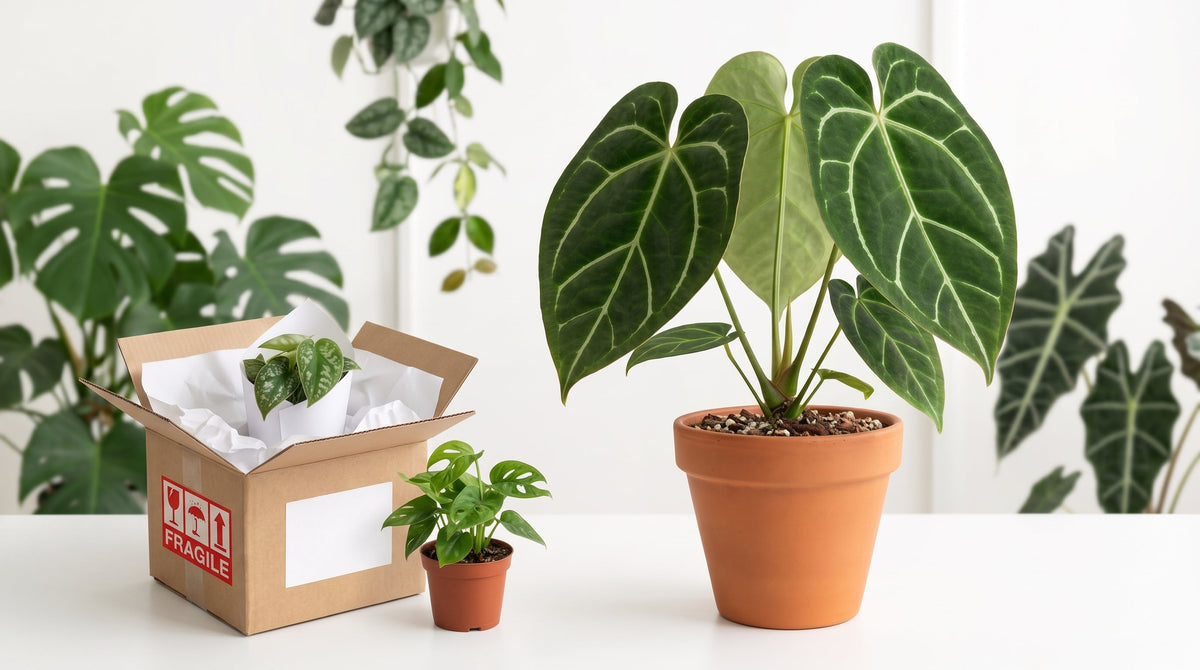
How to Buy Rare Plants Online Safely
Buying rare plants online can be exciting. It gives collectors access to unique plants that may not be available at local nurseries, including rare Aroids, Hoya, Anthurium, Philodendron, Scindapsus, Monstera, Syngonium, Alocasia, and variegated tropical plants.
But buying rare plants online also requires care. Because rare plants can be expensive, sensitive, and sometimes imported from other countries, it is important to choose the right seller and understand what to check before placing an order.
A beautiful plant photo is not enough. You also need to consider plant health, seller reputation, shipping method, import process, refund policy, and communication.
This guide will help you learn how to buy rare plants online safely, avoid common mistakes, and choose reliable sellers with more confidence.
Why Buying Rare Plants Online Is Popular
Many collectors buy rare plants online because online shops offer more variety than local stores. Some rare tropical plants are only available from specialty growers, international sellers, or collectors.
Buying online can help you find:
-
Rare Aroids
-
Collector Hoya
-
Velvet Anthurium
-
Variegated plants
-
Silver Scindapsus
-
Uncommon Philodendron
-
Rare Monstera
-
Imported tropical plants
-
Wholesale rare plants for resale
For collectors and resellers, online plant shopping can be a great way to access unique plants and build a more interesting collection.
However, because live plants are different from regular products, buyers need to be more careful.
1. Check the Seller’s Reputation
Before buying rare plants online, always research the seller. A reliable seller should have a clear online presence, real plant photos, honest descriptions, and good communication.
Look for:
-
Customer reviews
-
Social media presence
-
Website information
-
Plant photos from previous shipments
-
Clear contact details
-
Real customer feedback
-
Transparent shipping information
-
Experience with live plants
If a seller has no reviews, no website, no clear identity, and only accepts risky payment methods, be careful.
A trustworthy rare plant seller should make you feel informed before you buy.
2. Look for Actual Plant Photos
When buying rare plants, actual plant photos are very important.
Some sellers use example photos, stock photos, or old photos. This can be risky because rare plants may vary in size, shape, color, variegation, and condition.
Before buying, check whether the listing shows:
-
The actual plant for sale
-
Current leaf condition
-
Root condition if available
-
Plant size
-
Number of leaves
-
Variegation pattern
-
Any cosmetic damage
-
Pot or bare-root condition
For variegated plants, actual photos are especially important because every leaf can look different.
3. Read the Plant Description Carefully
A good rare plant listing should be clear and honest. Do not buy only based on the photo.
Read the description carefully and check details such as:
-
Plant name
-
Plant size
-
Rooted or cutting
-
Pot size
-
Number of leaves
-
Variegation level
-
Import status
-
Shipping method
-
Acclimation condition
-
Care requirements
-
Refund or DOA policy
If the description is too vague, ask questions before purchasing.
4. Understand the Difference Between Rooted Plants and Cuttings
Not all rare plants sold online are fully established plants. Some may be cuttings, nodes, wet sticks, tissue culture plants, or recently imported plants.
A rooted plant is usually easier for beginners because it already has roots. A cutting may be cheaper but can carry more risk, especially if you are new to propagation.
Before buying, make sure you understand what you are purchasing.
Common listing types include:
-
Fully rooted plant
-
Fresh cutting
-
Rooted cutting
-
Node cutting
-
Wet stick
-
Tissue culture plant
-
Imported plant
-
Acclimated plant
If you are a beginner, a healthy rooted plant is usually the safest choice.
5. Check the Root Condition
Roots are one of the most important parts of plant health. A plant can have beautiful leaves but poor roots.
When possible, ask for root photos or root condition details, especially for expensive rare plants.
Healthy roots are usually firm and light-colored, depending on the plant type. Unhealthy roots may look black, mushy, hollow, or smell bad.
Good root condition is especially important for:
-
Anthurium
-
Philodendron
-
Monstera
-
Alocasia
-
Hoya
-
Scindapsus
-
Imported plants
-
Variegated plants
A strong root system gives the plant a better chance of adjusting after shipping.
6. Be Careful With Extremely Cheap Prices
Rare plants usually have a market value. If the price looks too good to be true, it may be a red flag.
Very cheap listings may involve:
-
Misidentified plants
-
Unrooted cuttings
-
Damaged plants
-
Fake photos
-
Scam sellers
-
Poor shipping quality
-
Plants without proper documents
-
Unclear import process
This does not mean every affordable plant is suspicious. But if a rare plant is being sold far below normal market value, check carefully before buying.
7. Ask About Shipping Method
Shipping is one of the biggest risks when buying plants online. Live plants can be affected by heat, cold, delays, poor packing, and rough handling.
Before buying, check:
-
Shipping carrier
-
Estimated shipping time
-
Packing method
-
Weather protection
-
Heat pack or insulation if needed
-
Shipping day
-
Tracking information
-
Policy for delays
-
DOA policy
A good seller should understand how to pack live plants properly.
8. Check the Weather Before Shipping
Weather matters. Extreme heat or cold can damage live plants during shipping.
If the weather is too hot or too cold in your area, ask the seller whether shipping should be delayed or if insulation is needed.
This is especially important for:
-
Rare tropical plants
-
Variegated plants
-
Fresh imports
-
Sensitive Anthurium
-
Alocasia
-
Small cuttings
-
Plants with delicate leaves
Safe shipping is not only about the seller. Buyers should also consider local weather before ordering.
9. Understand DOA and Refund Policies
Before buying, always read the seller’s policy.
DOA means “dead on arrival.” Each seller may have different rules for reporting plant issues after delivery.
A clear policy may explain:
-
How long you have to report an issue
-
Whether photos or videos are required
-
Whether unboxing proof is needed
-
What type of damage is covered
-
What type of damage is not covered
-
Whether shipping delays are covered
-
Whether cosmetic leaf damage is covered
For live plants, minor leaf stress after shipping is common. A good policy should be realistic and clearly explained.
10. Make an Unboxing Video
When buying expensive rare plants online, it is smart to record an unboxing video.
An unboxing video can help document the plant condition when it arrives. This is useful if there is a problem with the plant or package.
Your video should show:
-
The shipping label
-
The unopened box
-
The packing condition
-
The plant as it is removed
-
The leaves
-
The roots or media if visible
-
Any damage
This helps both buyer and seller understand what happened during shipping.
11. Know the Risks of Imported Plants
Imported rare plants can be very exciting because they give buyers access to unique plants from other countries. However, imported plants may need more care and patience.
Imported plants may experience:
-
Shipping stress
-
Leaf yellowing
-
Root stress
-
Acclimation period
-
Slower recovery
-
Temporary growth pause
-
Cosmetic leaf damage
This does not always mean the plant is unhealthy. Many imported plants need time to adjust to a new environment.
When buying imported plants, choose a seller that understands export preparation, documentation, packing, and after-shipping care.
12. Understand Import Requirements for USA Buyers
For buyers in the United States, importing plants can involve regulations, permits, phytosanitary documents, inspections, and customs-related processes.
This is one reason many USA buyers feel nervous about buying rare plants from overseas.
Before buying imported plants, make sure you understand whether the seller can handle the required process properly.
Ask questions such as:
-
Does the shipment include proper plant health documentation?
-
Does the seller understand USA import requirements?
-
Is there a forwarding system?
-
Who handles customs and clearance?
-
Are there extra broker, tax, or handling fees?
-
Will the plants be shipped locally after arrival?
A clear import process helps reduce stress and unexpected problems.
13. Choose Sellers With Clear Communication
Good communication is a major sign of a reliable rare plant seller.
Before buying, notice how the seller responds. A trustworthy seller should be willing to answer reasonable questions about plant condition, shipping, import process, and care.
Good communication includes:
-
Clear answers
-
Honest expectations
-
Order updates
-
Shipping updates
-
Plant condition information
-
After-sales support
-
Helpful care advice
If a seller avoids questions, gives unclear answers, or pressures you to buy quickly, be careful.
14. Avoid Risky Payment Methods
When buying rare plants online, use payment methods that offer buyer protection whenever possible.
Be cautious if a seller insists on payment methods that are difficult to trace or recover.
Avoid sellers who pressure you to pay only through unsafe or unusual methods.
A professional seller should provide a secure and clear checkout process.
15. Check the Plant Name Carefully
Rare plant names can be confusing. Some plants have similar names, unofficial trade names, hybrid names, or mislabeled listings.
Before buying, research the plant name and compare it with trusted references or other listings.
This is especially important for:
-
Anthurium hybrids
-
Philodendron varieties
-
Variegated plants
-
Hoya species
-
Monstera forms
-
Scindapsus types
If you are unsure, ask the seller for more details or photos.
16. Be Realistic About Shipping Stress
Plants are living things. Even with excellent packing, some stress can happen during shipping.
Common shipping stress may include:
-
Slight yellowing
-
Minor leaf damage
-
Temporary drooping
-
Some cosmetic marks
-
Slower growth after arrival
-
Root adjustment
This is normal, especially for imported tropical plants.
The most important things to check are the stem, roots, growth point, and overall plant health.
17. Learn Basic Acclimation Care
After receiving a rare plant, do not rush to repot, fertilize, or move it around too much.
New plants need time to adjust.
Basic acclimation tips:
-
Place the plant in bright indirect light
-
Avoid harsh direct sun
-
Check the growing mix before watering
-
Do not overwater
-
Avoid fertilizing immediately
-
Maintain humidity if needed
-
Provide gentle airflow
-
Monitor the plant calmly
Stability is very important during the first few weeks.
18. Buying Rare Plants for Resale
If you are buying rare plants for resale, you need to think beyond appearance.
Consider:
-
Market demand
-
Shipping durability
-
Growth speed
-
Propagation potential
-
Recovery after import
-
Customer interest
-
Price range
-
Plant condition on arrival
-
Long-term care difficulty
Plants that are beautiful, durable, and easy to explain to customers are often better for resale.
Popular resale-friendly plant groups may include:
-
Hoya
-
Scindapsus
-
Philodendron
-
Syngonium
-
Monstera
-
Anthurium
-
Variegated tropical plants
19. Red Flags When Buying Rare Plants Online
Be careful if you notice these warning signs:
-
No actual plant photos
-
No reviews or customer feedback
-
Prices that seem too good to be true
-
Seller refuses to answer questions
-
No clear shipping policy
-
No DOA policy
-
No contact information
-
Poor communication
-
Pressure to pay quickly
-
Risky payment methods only
-
No explanation for import process
-
Unclear plant identity
-
No tracking or shipping updates
One red flag may not always mean a seller is bad, but several red flags together should make you cautious.
20. Green Flags of a Reliable Rare Plant Seller
A reliable rare plant seller usually has:
-
Clear plant photos
-
Honest descriptions
-
Good communication
-
Secure checkout
-
Clear shipping process
-
Proper packing experience
-
Customer reviews
-
Realistic plant condition notes
-
Transparent policies
-
Import experience
-
After-sales support
The best sellers do not only sell plants. They help buyers understand what to expect.
Why Buy Rare Plants From Aroid Market?
Aroid Market offers rare and collectible tropical plants for international customers, especially plant lovers, collectors, resellers, and wholesale buyers in the USA.
Our selection may include rare Aroids, Hoya, Anthurium, Philodendron, Scindapsus, Syngonium, Monstera, Alocasia, Dischidia, Labisia, variegated plants, and other tropical collector plants from Indonesia.
For USA customers, Aroid Market helps make the buying experience easier through our USA forwarding system. This allows customers to access rare tropical plants without personally handling the complicated import process.
With Aroid Market, USA customers do not need to worry about managing their own import permit, broker process, tax handling, or import-related handling fees separately. Our system is designed to make rare plant buying smoother for collectors, resellers, and plant businesses.
Whether you are buying your first rare plant or sourcing plants for resale, Aroid Market can help you discover unique tropical plants from Indonesia with a more convenient buying experience.
Final Thoughts
Buying rare plants online can be safe and rewarding when you know what to check.
Always research the seller, read the plant description, look for actual plant photos, understand the shipping process, and check the import details if buying internationally.
Rare plants are living products, so some shipping stress can happen. But with the right seller, clear communication, proper packing, and good acclimation care, buying rare plants online can be a great way to build a beautiful collection.
If you are ready to explore rare tropical plants from Indonesia, visit AroidMarket.com and discover our latest selection for collectors, resellers, wholesale buyers, and plant lovers in the USA.

Written by Aroid Market

Leave a comment
This site is protected by hCaptcha and the hCaptcha Privacy Policy and Terms of Service apply.