

Why Is My Anthurium Not Growing New Leaves?
Your Anthurium looks healthy. Its leaves are beautiful, the veins are stunning, and everything seems perfectly fine. But there's one problem: it hasn't produced a new leaf in weeks, or maybe even months.
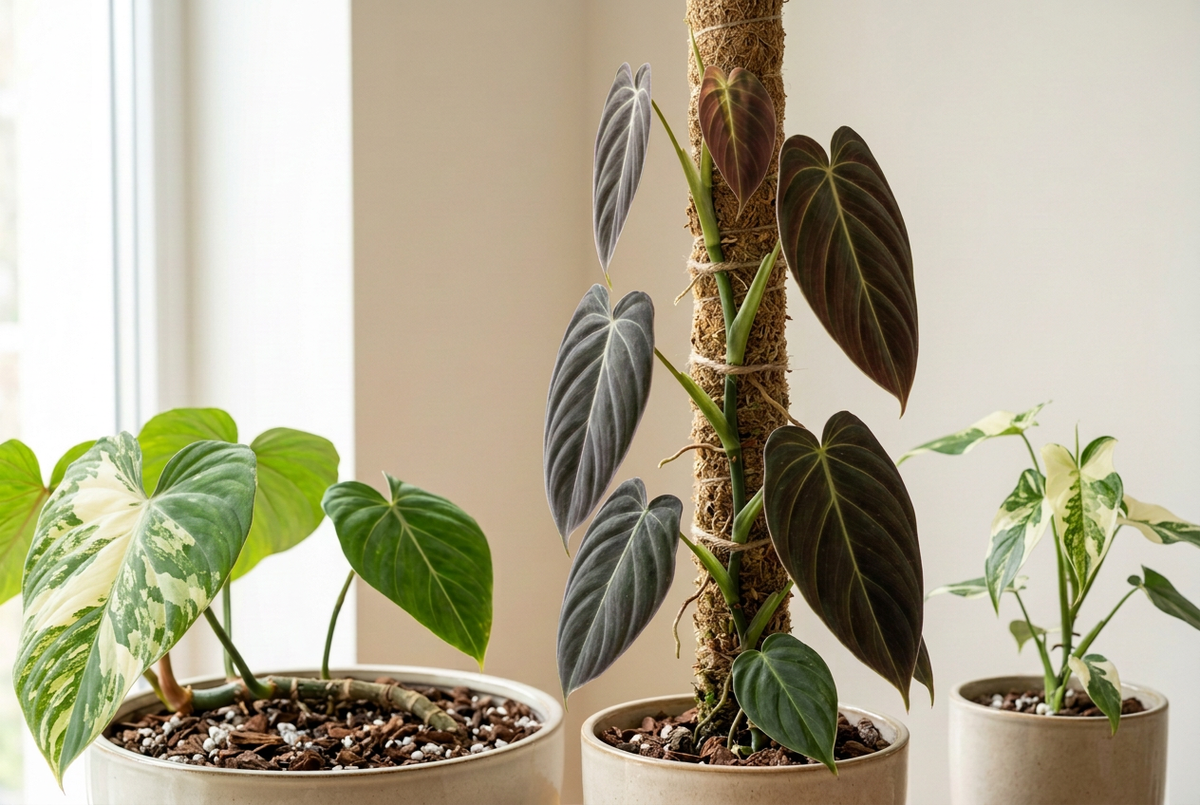
If you're growing Anthurium crystallinum, Anthurium clarinervium, Anthurium warocqueanum, or another rare velvet-leaf Anthurium, you probably know how exciting it is to see a new leaf emerge. So when your plant suddenly stops growing, it's natural to wonder whether something is wrong.
The good news is that slow growth doesn't always mean your Anthurium is unhealthy. Sometimes, the plant simply needs better lighting, healthier roots, more stable growing conditions, or time to adjust. In this guide, we'll explore why your Anthurium isn't producing new leaves and how to encourage healthy growth.
Is It Normal for Anthurium to Stop Growing New Leaves?
Yes. Anthuriums don't necessarily produce new leaves continuously. Their growth rate depends on species, maturity, light, temperature, root health, and growing conditions. Some Anthuriums grow relatively quickly, while others naturally take longer between new leaves.
Indoor Anthuriums may grow more slowly during winter because of reduced daylight and cooler temperatures. Newly imported or recently repotted plants may also temporarily stop producing foliage while adjusting to their new environment.
However, if your Anthurium stops growing and begins developing yellow leaves, drooping foliage, damaged roots, or unhealthy stems, it's worth investigating the cause.
1. Your Anthurium Isn't Getting Enough Light
Insufficient light is one of the most common reasons an Anthurium stops producing new leaves. Many Anthuriums naturally grow beneath tropical forest canopies, where they receive filtered sunlight. Indoors, most cultivated varieties prefer bright, indirect light.
A plant kept in a dark corner may receive enough light to maintain existing foliage but not enough to support vigorous growth. Signs of insufficient light include smaller new leaves, slow growth, stretched petioles, and foliage leaning toward a window.
How to fix it: Gradually move your Anthurium to a brighter location with filtered light. An east-facing window is often suitable, while stronger windows may need sheer curtains. If natural light is limited, consider using a grow light. Avoid suddenly exposing the plant to intense direct sunlight, which can burn sensitive leaves.
2. Your Anthurium May Have Root Problems
Healthy roots are essential for healthy leaves. If your Anthurium has damaged roots, it may struggle to absorb enough water and nutrients to support new growth. Root problems can result from overwatering, compacted growing media, poor drainage, or physical damage.
Common signs include yellowing leaves, drooping despite moist soil, soft stem bases, unpleasant smells, and roots that appear mushy or decayed.
How to fix it: If symptoms suggest root damage, carefully examine the roots. Healthy roots should feel firm, although their colors vary. Remove clearly rotten roots using clean tools and repot into a suitable, airy growing medium. If the roots are healthy, avoid disturbing them unnecessarily. Focus on stable conditions and appropriate watering.
3. Your Watering Routine May Be Slowing Growth
Anthuriums appreciate moisture around their roots, but constantly wet growing media can restrict oxygen and cause root damage. Excessive dryness can also stress the plant and interrupt growth.
Overwatered Anthuriums may develop yellow leaves, soft roots, or drooping foliage despite wet media. Underwatered plants may develop curling leaves, crispy edges, and dry, lightweight growing media.
How to fix it: Check the moisture level before watering rather than following a strict schedule. For many Anthuriums, watering as the upper portion of the growing medium begins to dry works well. Water thoroughly when needed and allow excess water to drain. Adjust the routine based on pot size, temperature, humidity, species, and growing medium.
4. Your Anthurium May Need a Better Growing Mix
The growing medium plays an important role in root health. Many foliage Anthuriums naturally grow in environments with loose organic material and plenty of oxygen around their roots.
Dense soil can stay wet too long, while an excessively coarse mix may dry out too quickly. Both extremes can affect growth.
How to fix it: Use a suitable, well-draining mix that provides both moisture retention and airflow. Depending on the growing environment, a mix may contain orchid bark, perlite, coco chips, pumice, and coco coir. The ideal combination depends on your Anthurium species, humidity, and watering routine. If your plant is already growing well in its current medium, changing it may be unnecessary.
5. Low Humidity May Be Affecting New Leaves
Many rare Anthuriums, especially velvet-leaf varieties, appreciate moderate to high humidity. Low humidity may contribute to brown leaf edges, damaged emerging leaves, and increased moisture stress.
However, humidity alone doesn't determine whether a plant produces new leaves. Root health, light, and temperature are equally important.
How to fix it: Maintain humidity appropriate for your species. A humidifier or ventilated plant cabinet can help sensitive varieties. Keep plants away from heating and cooling vents, and provide gentle airflow. Avoid constantly wet foliage in poorly ventilated environments, as this may encourage fungal problems.
6. Your Anthurium May Be Too Cold
Anthuriums are tropical plants that generally prefer warm, stable temperatures. Cooler conditions can slow growth, particularly when combined with wet growing media.
Many commonly cultivated Anthuriums perform well around 65–85°F (18–29°C), although preferences vary by species. Signs of temperature stress may include stalled growth, drooping leaves, damaged new foliage, and yellowing after cold exposure.
How to fix it: Protect your Anthurium from cold drafts, air-conditioning vents, and sudden temperature changes. Maintain consistent warmth, especially during winter. Stable temperatures help roots remain active and support new growth.
7. Your Anthurium May Need Nutrients
Anthuriums need nutrients to produce healthy roots and leaves. If essential nutrients become depleted, growth may slow and new foliage may appear smaller or paler than usual.
However, more fertilizer doesn't automatically mean faster growth. Excessive fertilization can damage the roots and create additional stress.
How to fix it: Use an appropriate balanced fertilizer during active growth and follow its recommended dosage. Avoid heavy fertilization when the plant has damaged roots, is newly imported, or is recovering from environmental stress. Healthy roots and adequate light are more important than extra fertilizer.
8. Your Anthurium Is Recovering From Shipping or Repotting
If your Anthurium recently arrived through international shipping, it may need time to acclimate. During transportation, plants experience changes in light, temperature, humidity, and root conditions. Some may temporarily stop producing new leaves.
Repotting can also interrupt growth, especially when roots have been disturbed.
How to fix it: Provide stable, indirect light, appropriate humidity, gentle airflow, and careful watering. Avoid unnecessary repotting or fertilization during recovery. Examine the plant for signs of damage, but don't repeatedly disturb healthy roots. New root development and a firm growing point are encouraging signs.
9. Pests May Be Damaging New Growth
Sometimes, your Anthurium attempts to produce new leaves, but pests interfere with developing foliage. Thrips, spider mites, mealybugs, scale insects, and aphids can damage Anthurium plants.
Signs include distorted young leaves, silvery marks, fine webbing, sticky residue, and damaged growing points.
How to fix it: Inspect both sides of the leaves, petioles, and new growth. If pests are present, isolate the plant and use an appropriate treatment for the identified pest according to its instructions. Continue monitoring until the infestation is controlled.
10. Your Anthurium May Simply Be Growing Slowly
Not every Anthurium is a fast-growing plant. Some species naturally take longer between leaves, particularly as they mature or adjust to changing conditions.
Anthuriums may also prioritize root development before producing visible foliage. If your plant has firm roots, healthy existing leaves, and no signs of pests or rot, a temporary growth pause may be normal.
How to fix it: Maintain suitable growing conditions and be patient. Avoid frequently changing the watering routine, growing medium, or location when the plant isn't showing clear signs of distress.
Why Is My Anthurium Growing Roots but No New Leaves?
If you notice new roots developing but no fresh foliage, your Anthurium may be establishing or expanding its root system. This commonly happens after propagation, repotting, or shipping.
Root growth is generally a positive sign, but it doesn't guarantee a new leaf will emerge immediately. Continue providing suitable light, moisture, warmth, and balanced nutrition. Healthy roots create a foundation for future foliage.
What If My Anthurium Has a New Leaf That Won't Unfurl?
Sometimes, your Anthurium hasn't stopped growing completely. Instead, a new leaf may appear stuck or develop unusually slowly. This can happen because of moisture stress, low humidity, temperature changes, pest damage, or physical injury.
How to fix it: Avoid pulling or forcing the leaf open. Delicate emerging leaves can tear easily. Check the growing environment and maintain stable conditions. If the developing leaf becomes black, mushy, or severely damaged, inspect the plant for underlying problems.
How to Encourage New Anthurium Leaves
If your Anthurium isn't producing new growth, focus on improving the conditions that support healthy development:
-
Provide enough light: Bright, indirect light supports photosynthesis and foliage development.
-
Maintain healthy roots: Check drainage and investigate root problems when symptoms appear.
-
Water appropriately: Avoid excessively dry or constantly waterlogged media.
-
Choose a suitable growing mix: Balance moisture retention and root aeration.
-
Maintain stable temperatures: Protect the plant from cold drafts and sudden changes.
-
Support humidity: Provide suitable humidity with gentle airflow.
-
Check for pests: Inspect new growth and leaves regularly.
-
Fertilize carefully: Support healthy plants during active growth without overfeeding.
-
Be patient: Give your Anthurium time to respond before changing its environment again.
The most effective approach is consistent care, not constantly experimenting with different treatments.
How Long Does It Take an Anthurium to Grow a New Leaf?
There is no universal timeline. Some Anthuriums produce new foliage relatively frequently under favorable conditions, while others develop leaves more slowly.
Growth depends on species, maturity, light, temperature, humidity, root health, and overall growing conditions. Rather than expecting new leaves every few weeks, look for healthy roots, firm stems, a stable growing point, and gradual new development.
Best Anthuriums for Collectors Who Love Beautiful Foliage
Anthurium crystallinum
Known for its beautiful heart-shaped velvet leaves and contrasting pale veins. Anthurium crystallinum is especially popular among collectors who appreciate elegant tropical foliage.
Anthurium clarinervium
Recognized for its thick, velvety leaves and prominent white venation. Its distinctive leaf shape makes it an attractive collector plant.
Anthurium warocqueanum
Often called the Queen Anthurium, this species is admired for its long, dramatic leaves. It may require more carefully managed environmental conditions than easier houseplants.
Anthurium veitchii
Known as the King Anthurium, this species develops elongated, deeply ribbed foliage that becomes increasingly dramatic as it matures.
Anthurium Hybrids
Collector Anthurium hybrids offer an exciting variety of leaf shapes, colors, textures, and venation patterns. Watching their foliage mature is one of the most rewarding parts of collecting them.
Discover Rare Anthuriums at Aroid Market
At Aroid Market, we appreciate the incredible diversity of tropical aroids, especially the elegant foliage of rare Anthuriums. From velvet leaves with dramatic veins to unusual hybrids and mature collector plants, Anthuriums bring something special to a tropical plant collection.
Based in Indonesia, Aroid Market offers rare and collectible plants for enthusiasts, collectors, and resellers around the world. Although Anthuriums are native to tropical regions of the Americas, many species and hybrids are cultivated by experienced growers in Indonesia.
For customers in the United States, our USA forwarding system helps simplify international purchasing. For eligible orders, our team coordinates the import arrangements, so customers don't need to organize their own import permits or customs brokerage.
Whether you're growing your first velvet Anthurium or expanding an established collection, choosing healthy plants and understanding their needs can make the experience more enjoyable.
Explore rare Anthuriums at AroidMarket.com and discover beautiful tropical foliage for your collection.
Frequently Asked Questions About Anthurium Growth
Why is my Anthurium healthy but not growing new leaves?
Your Anthurium may be experiencing a natural growth pause, insufficient light, or environmental adjustment. If its roots and existing leaves are healthy, slow growth doesn't necessarily mean there's a serious problem.
How do I encourage my Anthurium to grow new leaves?
Provide suitable indirect light, healthy roots, appropriate moisture, warmth, humidity, and balanced nutrients during active growth.
Why is my Anthurium growing roots but no leaves?
The plant may be establishing its root system before producing visible foliage. This can happen after propagation, repotting, or shipping.
Does Anthurium need high humidity to grow new leaves?
Many foliage Anthuriums appreciate relatively high humidity, but requirements vary by species. Suitable humidity supports healthy leaf development, while lighting and root health remain essential.
Why is my Anthurium's new leaf stuck?
Moisture stress, low humidity, temperature changes, pests, or mechanical damage may interfere with unfurling. Avoid forcing the leaf open.
Should I fertilize an Anthurium that isn't growing?
Fertilizer may help when an otherwise healthy plant lacks nutrients. Avoid heavy fertilization if roots are damaged or the plant is stressed.
Why did my Anthurium stop growing after shipping?
Shipping can temporarily interrupt growth because of environmental changes and root stress. The plant may need time to acclimate before producing new foliage.
How often should an Anthurium grow a new leaf?
Growth rates vary by species, maturity, and growing conditions. There is no reliable universal schedule.
Does repotting make Anthurium grow faster?
Not automatically. Repotting may help when roots are severely restricted or the medium has deteriorated, but unnecessary repotting may temporarily slow growth.
Final Thoughts: Healthy Anthurium Growth Takes Patience
If your Anthurium isn't producing new leaves, don't immediately assume something is seriously wrong. Sometimes, the solution involves improving light, watering, growing media, or root health. Other times, the plant simply needs time.
Observe your Anthurium carefully, identify any clear problems, and make adjustments gradually. Healthy roots, stable conditions, and patience provide the best foundation for continued growth.
And when you're ready to explore more beautiful tropical foliage, visit AroidMarket.com and discover our selection of rare Anthuriums and other collectible plants from Indonesia.

Written by Aroid Market


Leave a comment
This site is protected by hCaptcha and the hCaptcha Privacy Policy and Terms of Service apply.