
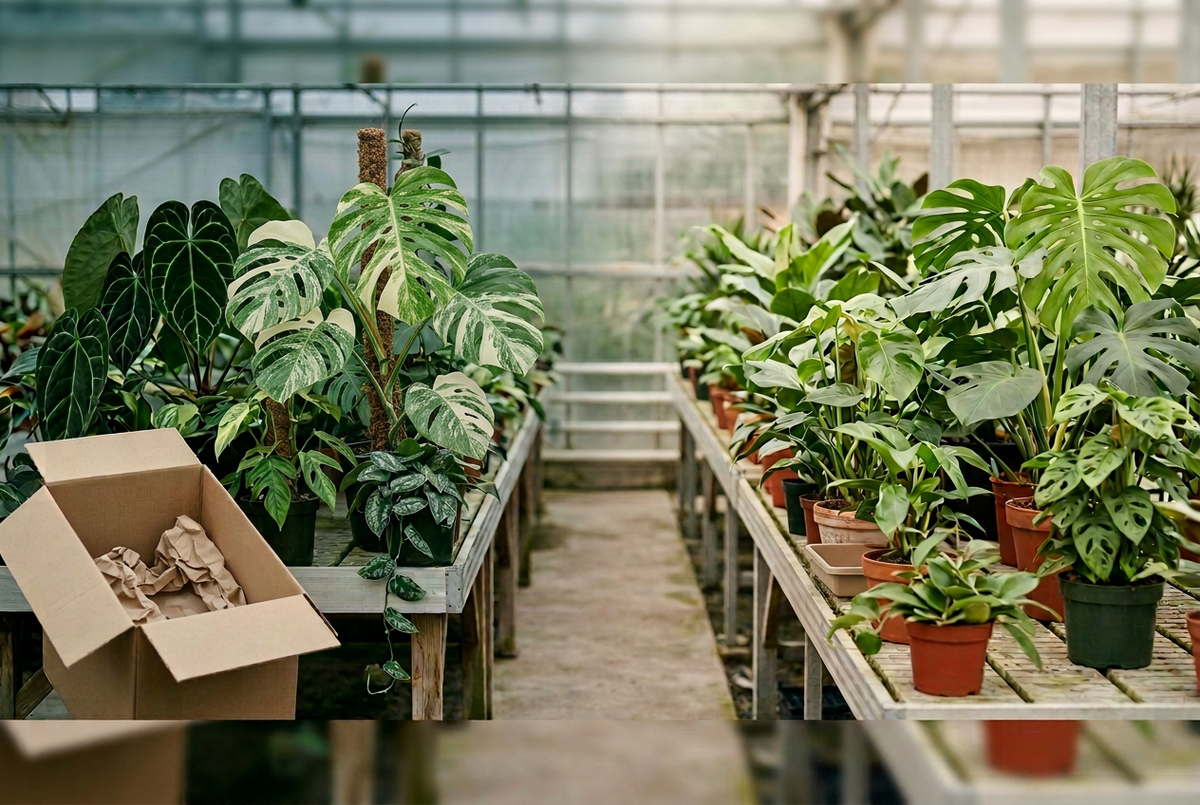
Imported Plants vs Local Plants: What Collectors Should Know
Plant collectors have more options than ever before. Today, you can buy houseplants from local nurseries, online plant shops, private collectors, plant shows, and international sellers.
For rare plant lovers, one common question is:
Should you buy imported plants or local plants?
Both options can be good, depending on your goals, experience level, budget, and the type of plants you want to collect. Local plants may be easier to receive and already acclimated, while imported plants can offer access to rare tropical varieties that may not be available locally.
This guide will explain the differences between imported plants and local plants, the pros and cons of each, and what collectors should consider before buying.
What Are Imported Plants?
Imported plants are plants that come from another country and are shipped internationally. For rare plant collectors, imported plants often come from tropical regions where many collectible plants grow naturally or are cultivated by experienced growers.
Imported plants may include:
-
Rare Aroids
-
Hoya
-
Anthurium
-
Philodendron
-
Scindapsus
-
Monstera
-
Syngonium
-
Alocasia
-
Dischidia
-
Labisia
-
Variegated tropical plants
Many collectors buy imported plants because they want access to unique varieties, rare species, unusual forms, or better wholesale opportunities.
What Are Local Plants?
Local plants are plants already available within your country or region. These may come from local nurseries, plant shops, growers, collectors, or resellers.
For USA buyers, local plants are plants that are already inside the United States. They may have been grown locally, propagated by a seller, or imported earlier and already acclimated.
Local plants are often easier for beginners because they usually do not need to go through international shipping or import adjustment after purchase.
Why Collectors Buy Imported Plants
Imported plants are popular because they can give collectors access to plants that may be difficult to find locally.
Collectors often choose imported plants because of:
-
Wider variety
-
Rare species availability
-
Unique Indonesian selections
-
Fresh collector inventory
-
Better options for resellers
-
Access to plants before they become common locally
-
Interesting forms, patterns, and growth habits
For serious collectors, imported plants can make a collection feel more unique and personal.
Why Collectors Buy Local Plants
Local plants are also valuable, especially for beginners or collectors who want a more stable buying experience.
Collectors may choose local plants because they are:
-
Already acclimated
-
Easier to inspect in person
-
Faster to receive
-
Lower shipping stress
-
Easier to return or discuss with the seller
-
More predictable for beginners
Local plants can be a safer option for people who are still learning basic plant care.
Imported Plants: Main Advantages
1. More Variety
One of the biggest advantages of imported plants is variety. International sellers may offer plants that are not commonly available in local shops.
This is especially attractive for collectors who are looking for rare Aroids, unusual Hoya, unique Anthurium, special Philodendron, variegated plants, or tropical species from Indonesia.
2. Great for Rare Plant Collectors
Imported plants are often exciting because they can help collectors find something different from common local inventory.
If you want a collection that stands out, imported plants can offer more unusual leaf shapes, colors, textures, and growth habits.
3. Good for Resellers and Plant Shops
Imported plants can also be useful for resellers, small plant shops, online sellers, and live sellers.
Buying imported plants may allow resellers to offer unique inventory to customers who are always searching for something new.
Popular imported plant groups for resale may include:
-
Hoya
-
Scindapsus
-
Philodendron
-
Anthurium
-
Monstera
-
Syngonium
-
Variegated tropical plants
4. Access to Indonesian Tropical Plants
Indonesia is an exciting source for tropical plants because many rare and collectible plants grow well in warm, humid conditions.
For collectors who love tropical foliage, imported Indonesian plants can offer unique collector appeal.
Imported Plants: Things to Consider
1. Shipping Stress
Imported plants may experience stress during international shipping. They can be affected by travel time, temperature changes, darkness, handling, and import processing.
Common shipping stress may include:
-
Minor yellowing
-
Temporary drooping
-
Cosmetic leaf damage
-
Root adjustment
-
Slower growth after arrival
-
Acclimation stress
This does not always mean the plant is unhealthy. Many imported plants simply need time and stable care.
2. Acclimation Period
Imported plants usually need time to adjust to a new environment.
After arrival, the plant may need stable bright indirect light, careful watering, good humidity, airflow, and patience.
During acclimation, avoid overwatering, heavy fertilizing, or repotting too soon unless necessary.
3. Import Process
International plant buying can involve documents, plant health requirements, customs, inspection, import permits, taxes, broker fees, and handling fees.
This is one of the biggest reasons some collectors feel nervous about buying imported plants.
Choosing an experienced supplier can make the process much easier.
Local Plants: Main Advantages
1. Already Acclimated
Local plants are often already adapted to the local environment. This can make them easier to care for after purchase.
For beginners, acclimated plants can feel less risky.
2. Easier to Inspect
If you buy from a local nursery or plant show, you may be able to inspect the plant in person.
You can check:
-
Leaves
-
Roots
-
Stem
-
Growth point
-
Pest signs
-
Potting mix
-
Plant size
-
Overall condition
This can help you feel more confident before buying.
3. Faster Delivery
Local plants usually arrive faster than imported plants. Shorter shipping time can reduce stress for the plant.
This is helpful for sensitive plants, expensive plants, or buyers who want faster results.
4. Better for Beginners
If you are new to plant care, local plants may be easier because they are often more stable when they arrive.
You can start with local plants first, learn the basics, then move into imported rare plants when you feel more confident.
Local Plants: Things to Consider
1. Limited Variety
Local shops may not always have rare or unusual plants. Some plants may be sold out quickly, unavailable, or priced higher because they are hard to source locally.
If you want unique tropical plants, imported options may offer more variety.
2. Higher Prices for Rare Plants
Some rare plants may cost more locally because they have already gone through import, acclimation, care, and resale markup.
For collectors or resellers, importing can sometimes provide access to more options.
3. Not Always Truly Local-Grown
A plant sold locally may still have been imported earlier. This is not a bad thing, but it means buyers should still ask about acclimation, root condition, and plant history.
Imported vs Local Plants: Which One Is Better?
There is no single answer. Imported plants and local plants both have advantages.
Choose local plants if you want:
-
Easier care
-
Faster delivery
-
Lower shipping stress
-
A plant already acclimated
-
A safer option for beginners
-
The ability to inspect in person
Choose imported plants if you want:
-
More variety
-
Rare species
-
Unique tropical selections
-
Collector plants not available locally
-
Better sourcing options
-
Plants for resale or wholesale
-
Access to Indonesian rare plants
For many collectors, the best approach is to combine both.
You can buy local plants for stability and imported plants for rarity, variety, and collection growth.
Imported Plants for Collectors
Imported plants can be especially exciting for collectors who already understand plant care.
If you know how to manage light, watering, humidity, soil mix, airflow, and acclimation, imported plants can be a great way to expand your collection.
Popular imported collector plants include:
-
Rare Hoya
-
Velvet Anthurium
-
Rare Philodendron
-
Silver Scindapsus
-
Variegated Monstera
-
Unique Syngonium
-
Alocasia
-
Dischidia
-
Labisia
-
Variegated tropical plants
These plants can bring unique character and diversity to a collection.
Imported Plants for Resellers
For resellers, imported plants can be a strong opportunity because they may provide access to unique inventory.
Plant resellers may benefit from imported plants because they can offer:
-
More variety
-
Rare plant selections
-
Unique tropical species
-
Fresh inventory
-
Plants that are harder to find locally
-
Interesting options for collectors
However, resellers should also understand acclimation, shipping stress, and customer expectations.
A good reseller should choose healthy plants, allow proper recovery when needed, and communicate clearly with customers.
What to Check Before Buying Imported Plants
Before buying imported plants, check:
-
Seller reputation
-
Plant photos
-
Root condition
-
Export experience
-
Shipping method
-
Import process
-
Packing quality
-
Acclimation advice
-
DOA policy
-
Communication
A reliable seller should explain the process clearly and help buyers understand what to expect.
What to Check Before Buying Local Plants
Before buying local plants, check:
-
Leaf condition
-
Root health
-
Pest signs
-
Potting mix
-
Plant size
-
Growth point
-
Recent import history
-
Acclimation status
-
Seller reputation
Even local plants should be checked carefully before purchase.
Are Imported Plants Harder to Care For?
Imported plants are not always harder, but they may need more patience at first.
The most important stage is the acclimation period after arrival. During this time, the plant needs stability.
Basic imported plant care includes:
-
Bright indirect light
-
Careful watering
-
Good humidity
-
Gentle airflow
-
No heavy fertilizer immediately
-
No unnecessary repotting
-
Regular observation
Once imported plants are established, many can grow well like other tropical houseplants.
Why USA Buyers Worry About Imported Plants
USA buyers may feel nervous about imported plants because the process can seem complicated.
Common concerns include:
-
Import permits
-
Phytosanitary documents
-
Customs clearance
-
Broker process
-
Tax handling
-
Handling fees
-
Shipping delays
-
Plant condition after arrival
These concerns are normal, especially for first-time import buyers.
That is why a clear and reliable import process matters.
How Aroid Market Makes Importing Easier for USA Customers
Aroid Market helps USA customers access rare tropical plants from Indonesia with a smoother buying experience.
Through our USA forwarding system, customers do not need to personally manage the complicated import process on their own.
With Aroid Market, USA customers do not need to worry about handling their own import permit, broker process, tax handling, or import-related handling fees separately.
Our goal is to make buying rare plants from Indonesia easier and more convenient for collectors, resellers, and plant businesses in the USA.
Why Buy Imported Plants from Aroid Market?
Aroid Market focuses on rare and collectible tropical plants for international customers.
Our selection may include:
-
Rare Aroids
-
Hoya
-
Anthurium
-
Philodendron
-
Scindapsus
-
Monstera
-
Syngonium
-
Alocasia
-
Dischidia
-
Labisia
-
Variegated tropical plants
-
Other collector plants from Indonesia
We understand that rare plant buyers care about plant quality, packing, communication, and shipping. That is why Aroid Market is designed to help customers access Indonesian rare plants with less stress.
Final Thoughts
Imported plants and local plants both have a place in a collector’s journey.
Local plants are often easier, more stable, and better for beginners. Imported plants can offer more variety, unique selections, and access to rare tropical plants that may not be available locally.
For collectors, the best choice depends on your goals. If you want stability, local plants are a great option. If you want rarity, variety, and unique Indonesian tropical plants, imported plants can be worth exploring.
If you are ready to discover rare plants from Indonesia, visit AroidMarket.com and explore our latest selection for collectors, resellers, wholesale buyers, and plant lovers in the USA.

Written by Aroid Market


Leave a comment
This site is protected by hCaptcha and the hCaptcha Privacy Policy and Terms of Service apply.